Description
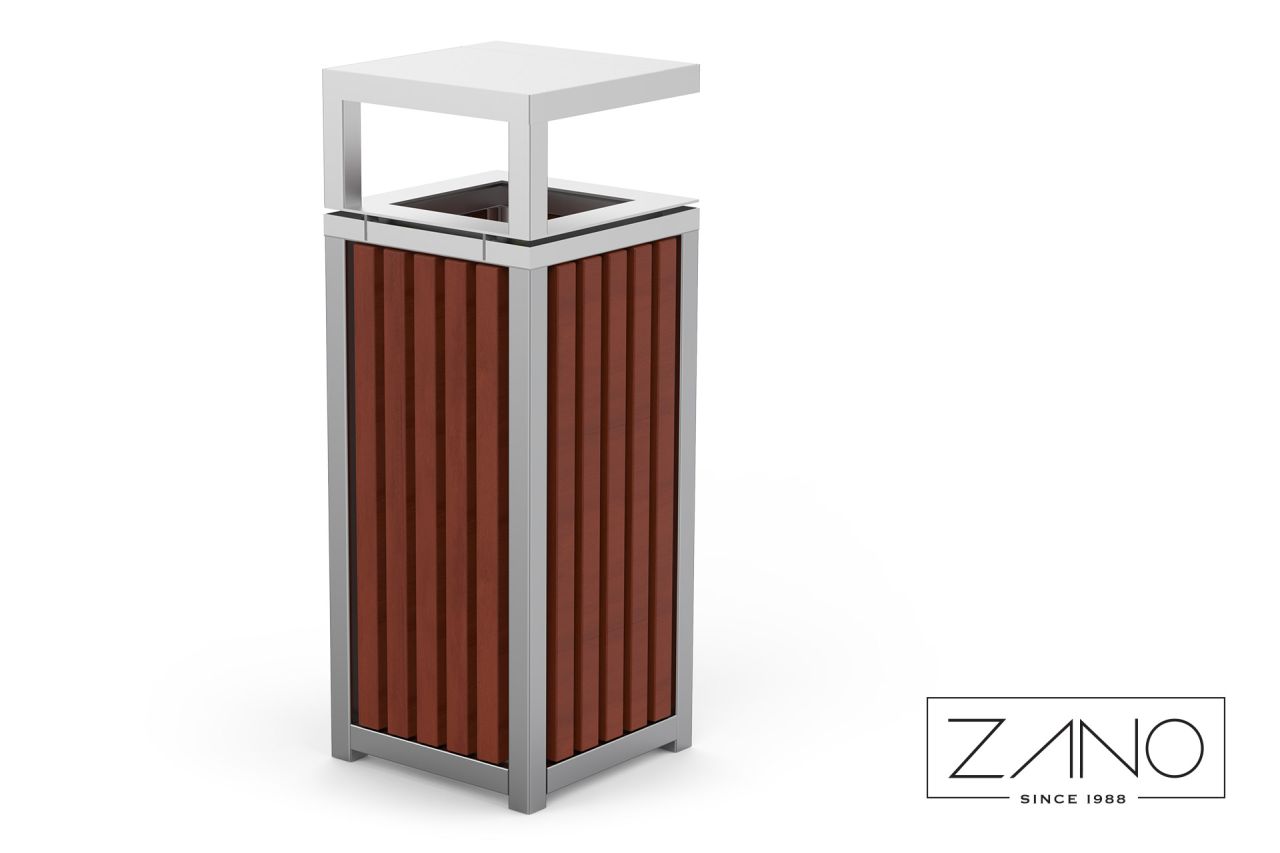
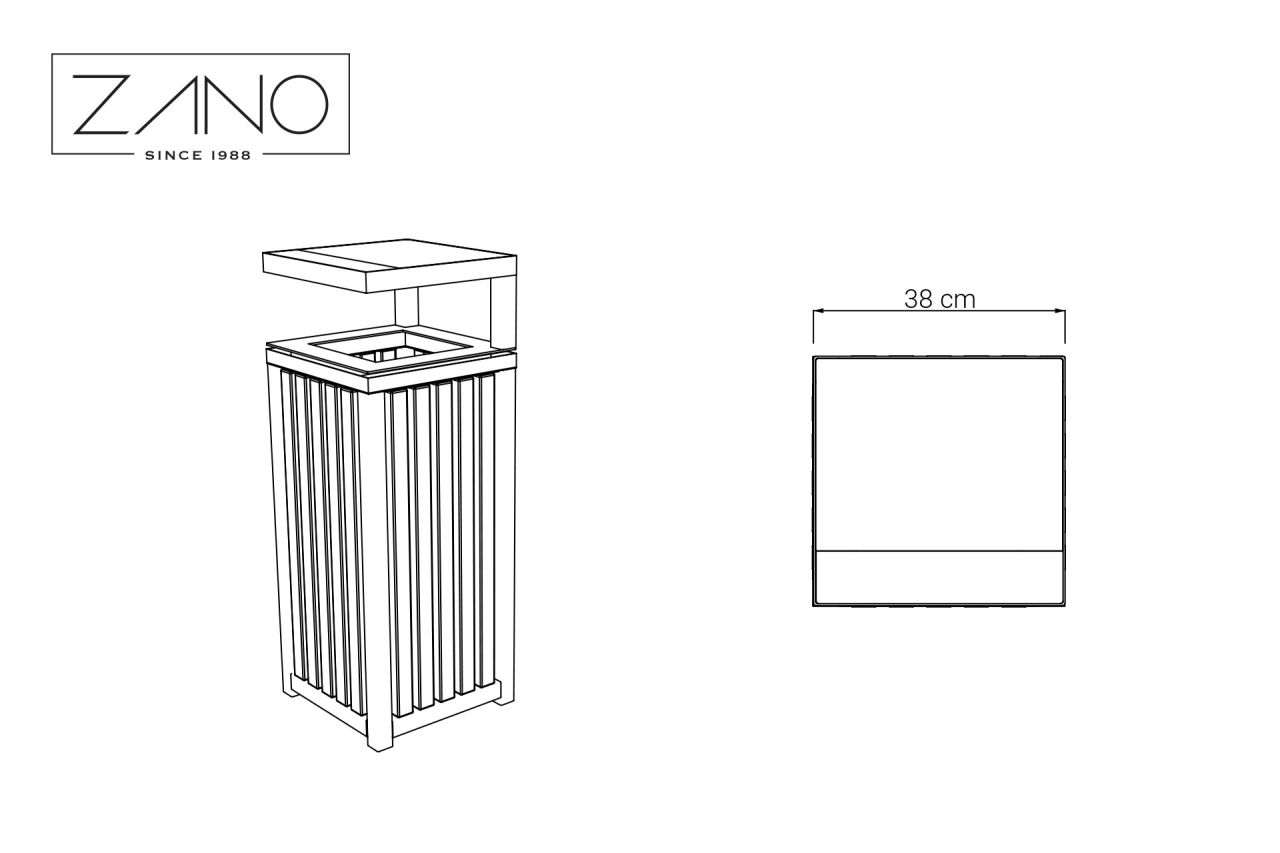
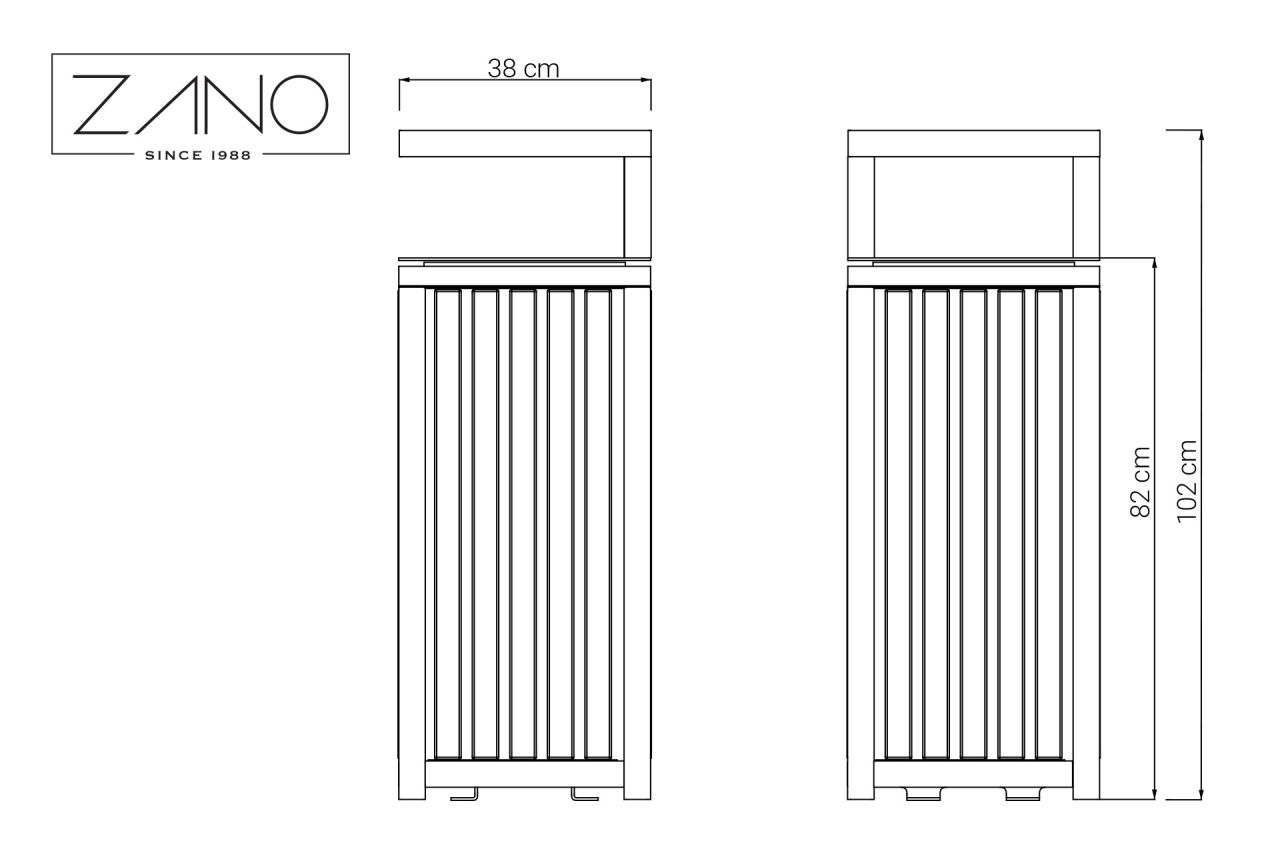
The Altus trash bin, model 03.052.7, represents a pinnacle of functional design within the modern street furniture collection. Designed by Iwona Żaczek, this unit seamlessly blends durability with aesthetic versatility, making it an essential component for contemporary urban furniture arrangements. With a total height of 40 1/4 inches and a compact 15-inch flank, the Altus is engineered to provide an efficient waste management solution in high-traffic public spaces without imposing on the architectural flow of its surroundings. Each unit is constructed to withstand the rigors of outdoor environments, ensuring long-term reliability and performance for municipalities, parks, and commercial developments.
Quality of materials remains at the forefront of the Altus series. The structural framework is available in either robust carbon steel (S235JR) or high-grade stainless steel (AISI 304), providing a stable foundation for the vessel. The exterior housing offers extensive configuration options, allowing for customization to match various landscape requirements. Clients may select from durable European coniferous wood, hardwood of European origin, or premium oiled exotic wood, as well as modern HPL board panels. This variety of finishes allows the trash bin to either blend harmoniously into natural park settings or provide a sleek, contemporary contrast in metropolitan environments. The unit features a capacity of 13 1/4 gallons, optimized for daily maintenance cycles in busy pedestrian zones.
Installation and maintenance are streamlined through the thoughtful engineering of the 03.052.7 model. Designed to be permanently secured to the ground, the bin utilizes a bolt-down mounting method to ensure stability and deter unauthorized movement. As a key piece of urban furniture, the Altus is meticulously finished to resist environmental degradation, providing a sophisticated look that maintains its integrity over years of service. Its clean lines and minimalist silhouette, characteristic of the Altus line, ensure it functions not merely as a utilitarian waste receptacle, but as an integral element of high-quality public space design, emphasizing both utility and visual cohesion in any professional landscape project.