Options
-
Construction
- carbon steel (s235Jr)
-
Mounting method
- to screw
-
Contribution
- galvanized sheet insert


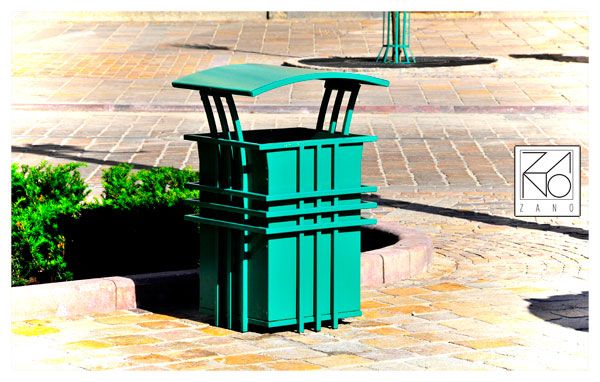
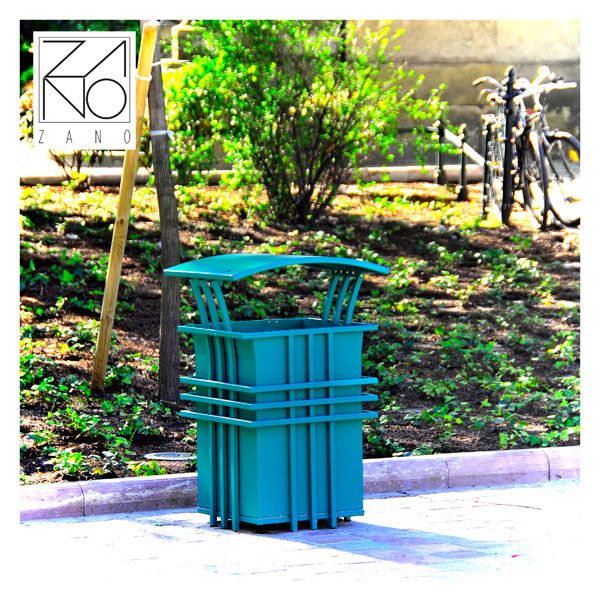

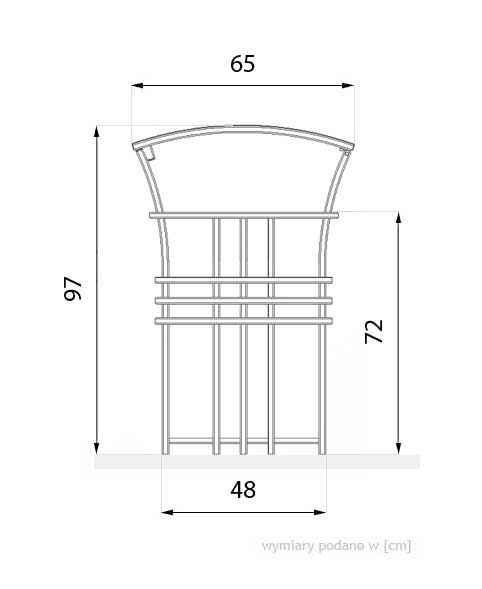
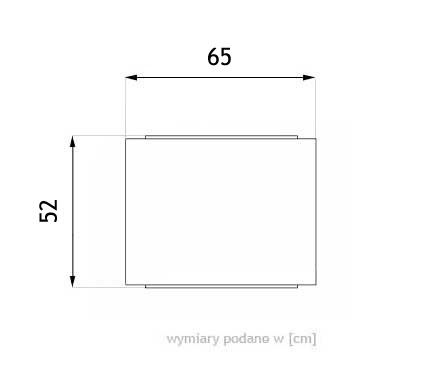
The Szczepanski trash bin, identified by SKU 03.040, is a quintessential element of modern street furniture designed by Tomasz Szpytma. As part of the sophisticated Szczepanska product line, this unit represents a harmonious blend of functional durability and minimalist aesthetics, making it an ideal choice for urban landscapes, public plazas, and corporate surroundings. The robust construction utilizes high-quality carbon steel (S235Jr) combined with precision-engineered steel profiles and sheets, ensuring long-term resilience against environmental factors. With a height of 38 1/4 inches, a width of 25 1/2 inches, and a depth of 20 1/2 inches, the bin provides a substantial presence while maintaining a clean, professional profile suitable for high-traffic pedestrian areas.
Functionality remains at the core of this urban furniture piece. The Szczepanski trash bin is equipped with a practical galvanized sheet insert that facilitates efficient waste collection and maintenance, ensuring hygiene standards are consistently met in public spaces. The unit offers a generous capacity of 15 3/4 gallons, allowing for reliable waste management without the need for constant emptying. While this specific model is designed without an integrated ashtray, the design remains focused on clean lines and ease of use, serving as an effective solution for maintaining cleanliness in any metropolitan environment. The weight of 88 lbs provides inherent stability, reinforcing its structural integrity for demanding outdoor applications.
Installation and long-term deployment are streamlined through a secure mounting method that allows the bin to be anchored directly to the ground using screws. This ensures that the trash bin remains firmly in place, even in exposed or busy urban settings. By prioritizing both material quality and structural form, this product embodies the ZANO commitment to excellence in public design. Its understated design allows it to integrate seamlessly into diverse architectural contexts, providing a reliable and visually cohesive waste management solution. This model stands as a testament to the importance of high-grade urban furniture in creating organized, accessible, and clean communal environments for residents and visitors alike.