Options
-
Construction
- carbon steel (s235Jr)
- stainless steel (Aisi 304)
-
Mounting method
- to screw
-
Contribution
- galvanized sheet insert


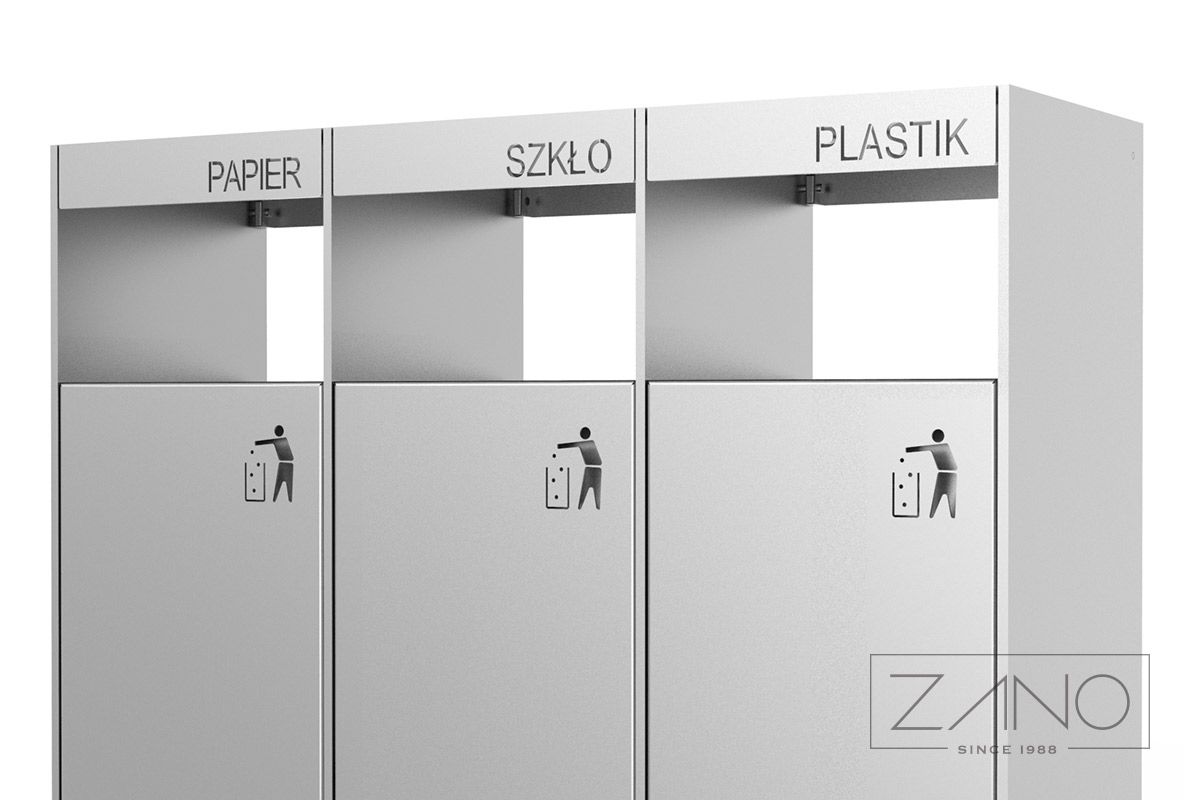


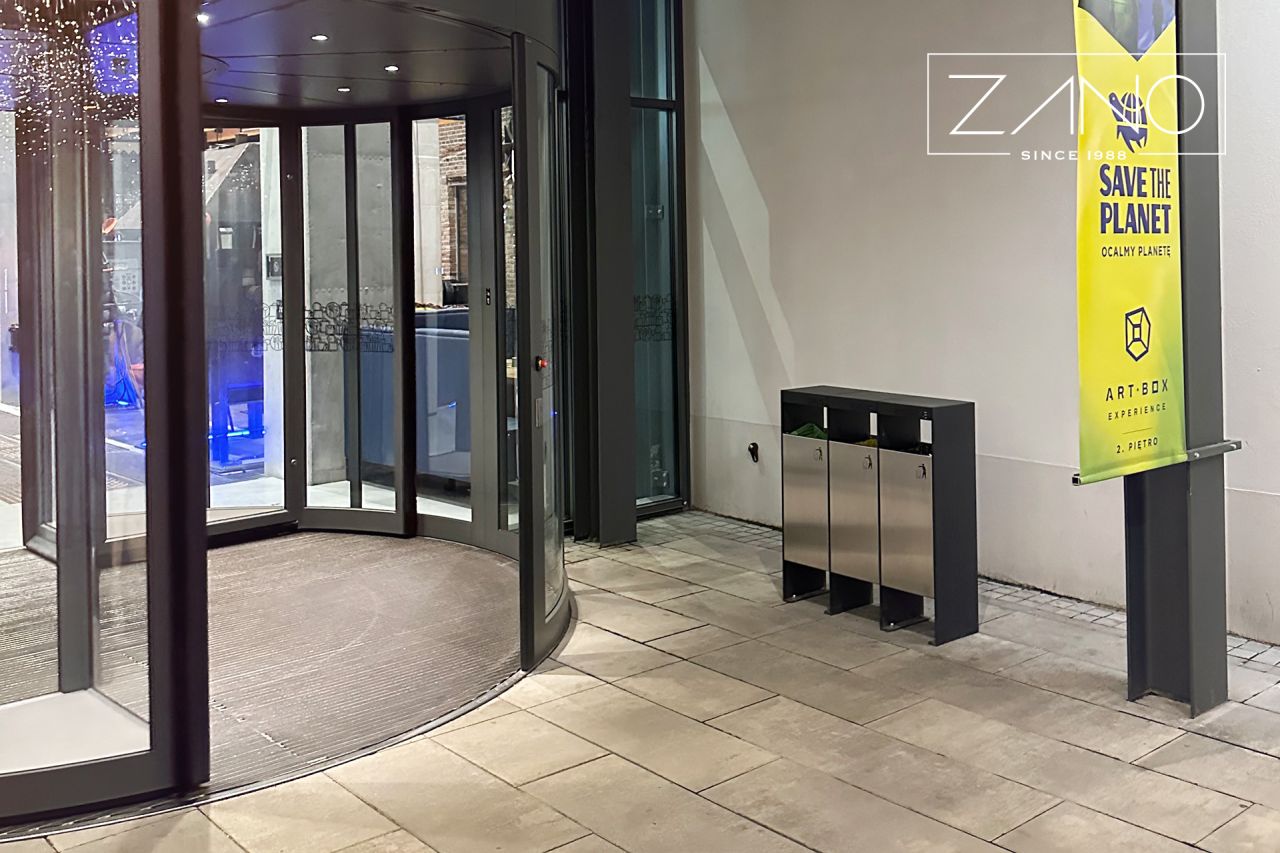
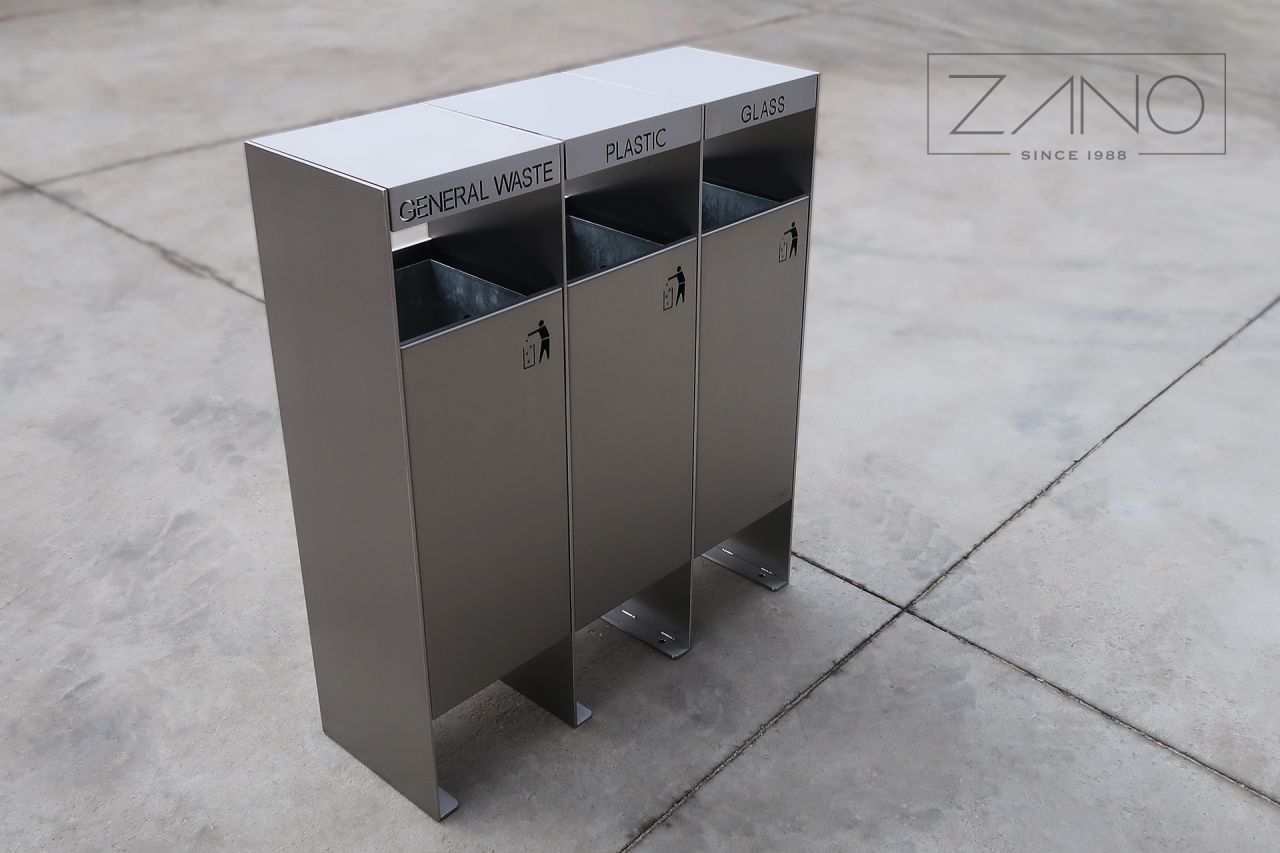
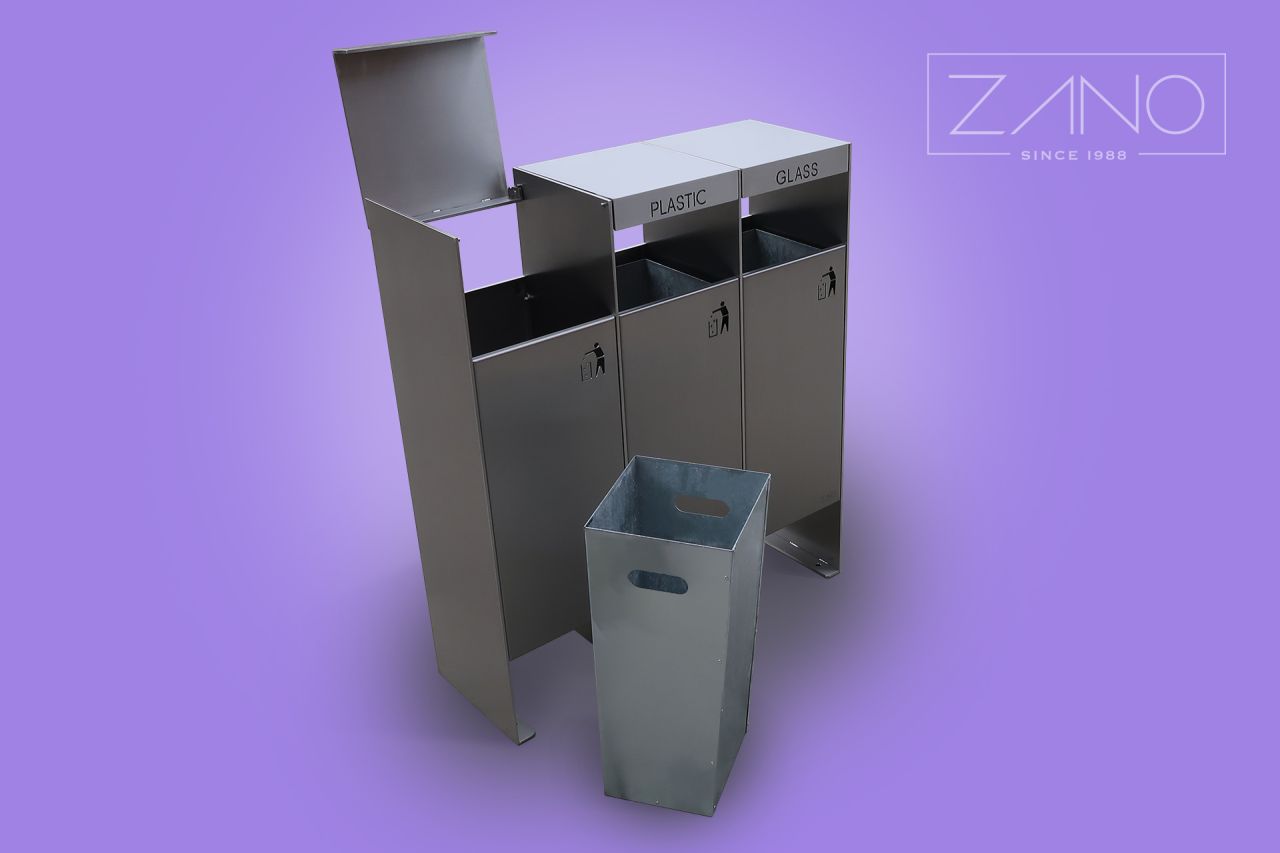

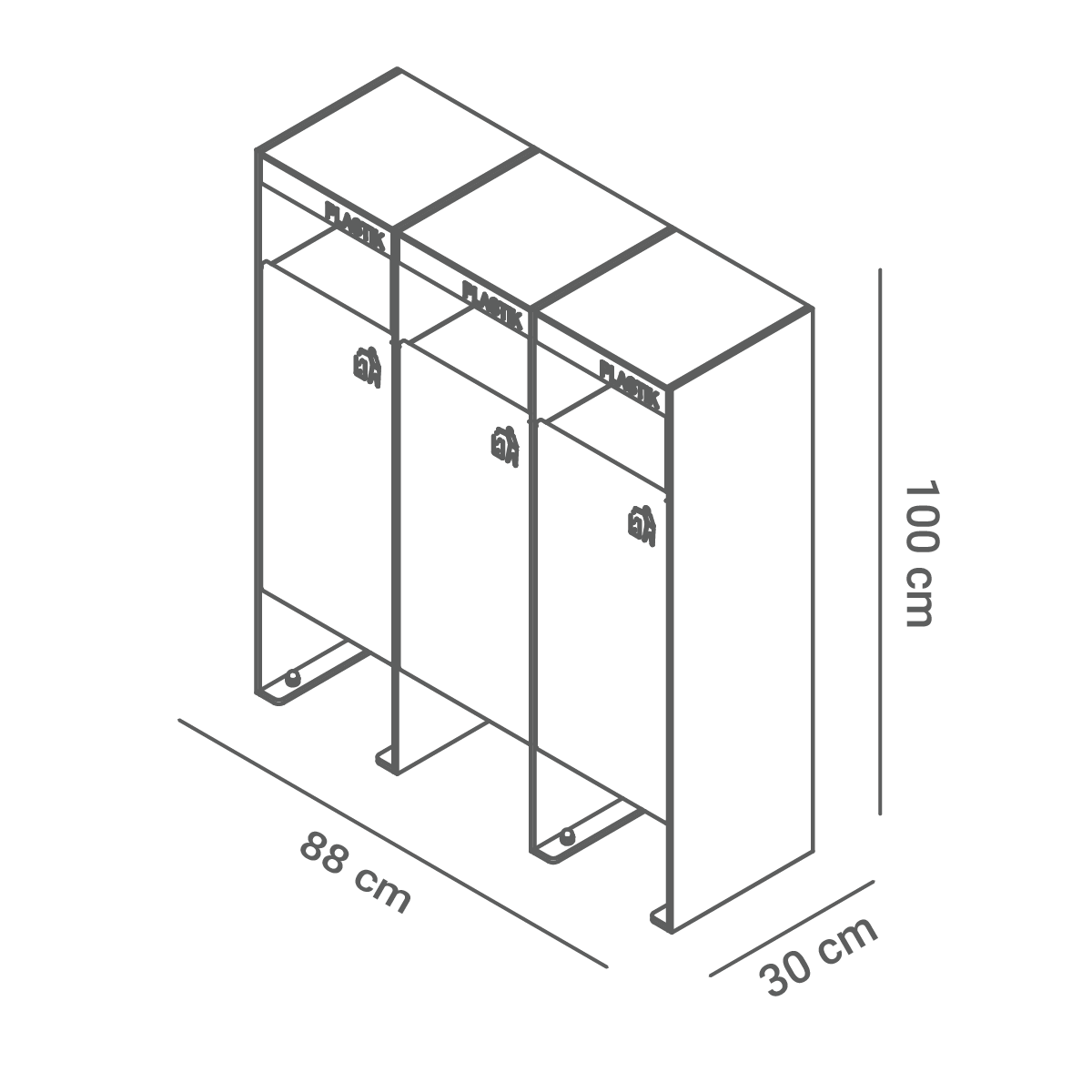
The Recycling bin Simple, model 15.061, represents a sophisticated solution for modern waste segregation needs within contemporary urban furniture landscapes. Designed with clean, minimalist lines, this waste receptacle integrates seamlessly into high-traffic pedestrian zones, business districts, and public squares. With a width of 34 ¾ inches, a height of 39 ¼ inches, and a depth of 11 ¾ inches, the unit offers a streamlined footprint that maximizes utility without obstructing pathways. The robust construction ensures long-term durability in demanding environments, reflecting the high standards expected of professional street furniture installations.
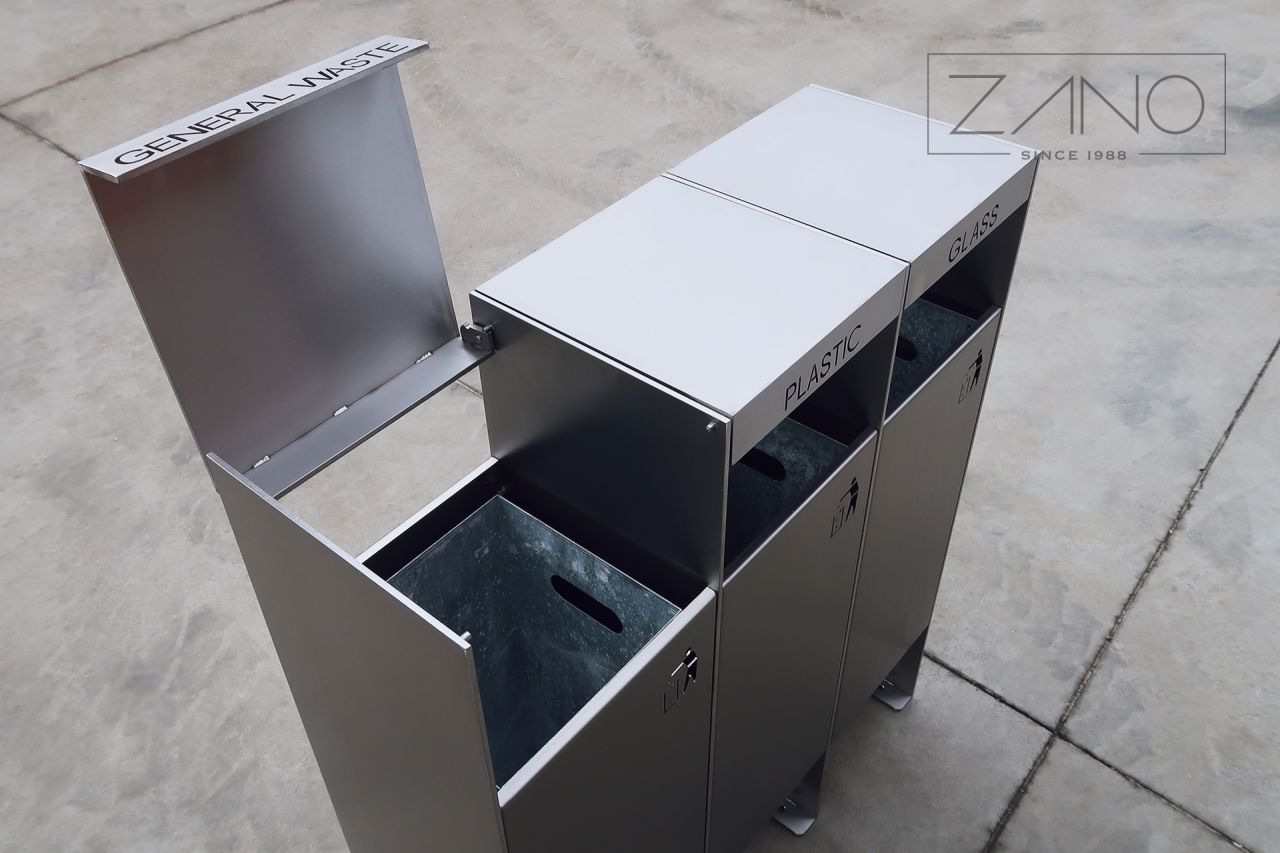
Engineering excellence is at the core of the Simple line, which allows for versatile material selection to suit specific project requirements. Clients may choose between high-quality carbon steel (S235JR) for a classic aesthetic or stainless steel (AISI 304) for enhanced corrosion resistance and a premium finish. The internal architecture accommodates three distinct 8-gallon containers, providing an efficient system for waste recycling. These containers are equipped with galvanized sheet metal inserts, facilitating easy maintenance and rapid disposal processes for municipal cleaning crews. The entire assembly is designed for secure ground attachment via a screw-mounting method, ensuring stability and safety in public spaces.
As a key element of comprehensive urban planning, this recycling bin combines structural integrity with functional efficiency. Weighing 284 lbs, the unit provides a solid presence that discourages displacement while maintaining an elegant, understated profile. By providing a dedicated space for sorted waste, the 15.061 model encourages environmental responsibility and helps maintain the cleanliness of public infrastructure. Its modular nature and professional finish make it an essential component for architects and city developers seeking to combine aesthetic refinement with the practical demands of sustainable waste management in modern city furniture arrangements.