Description
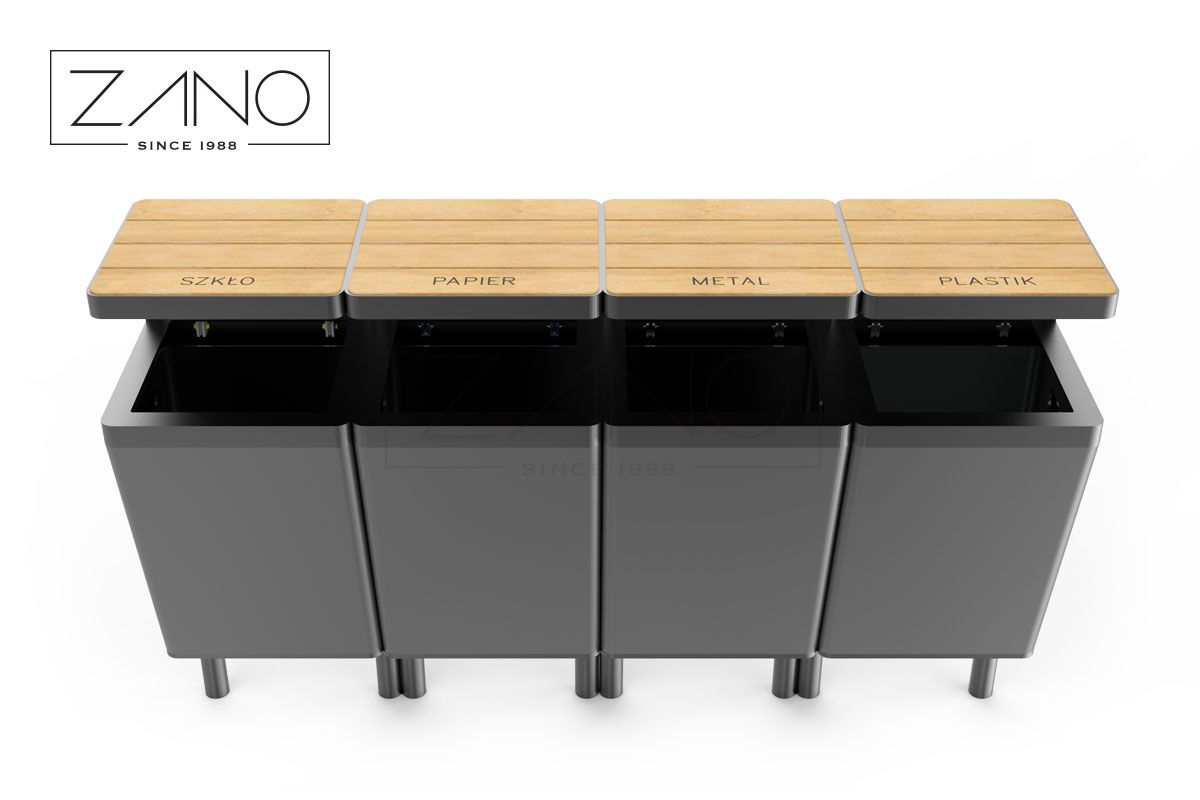
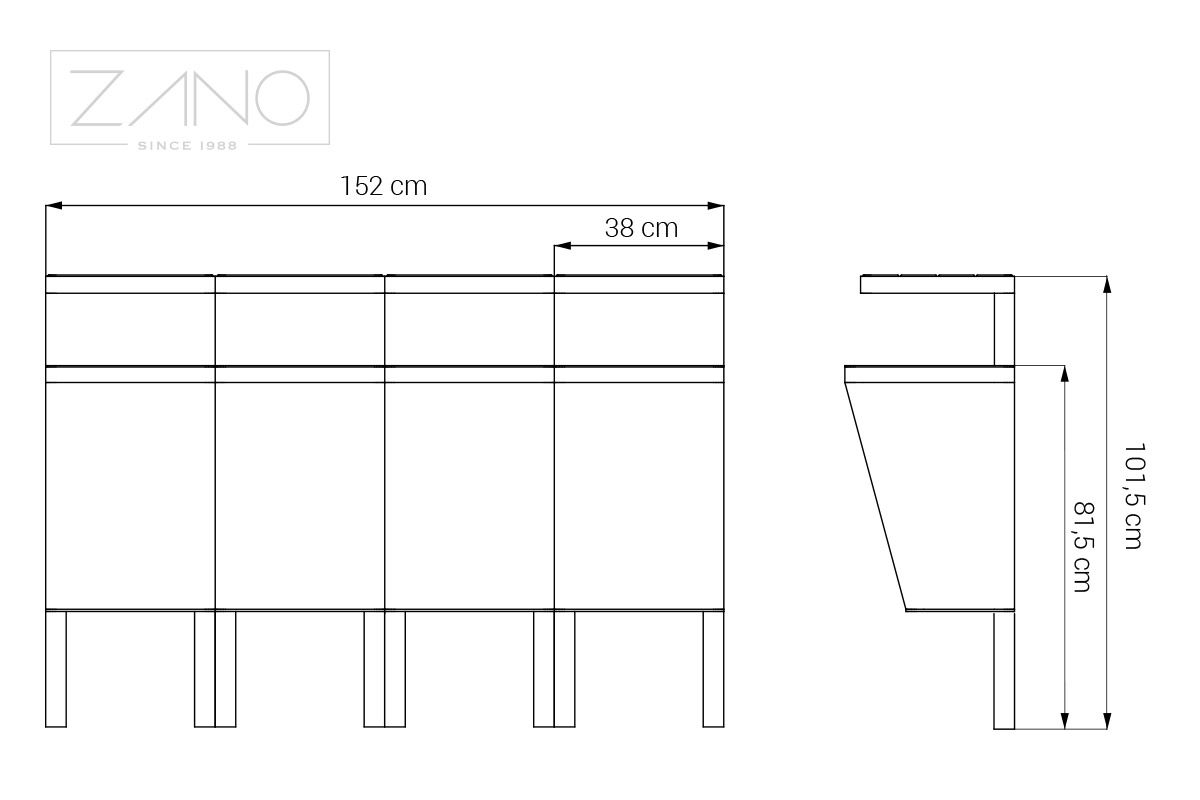
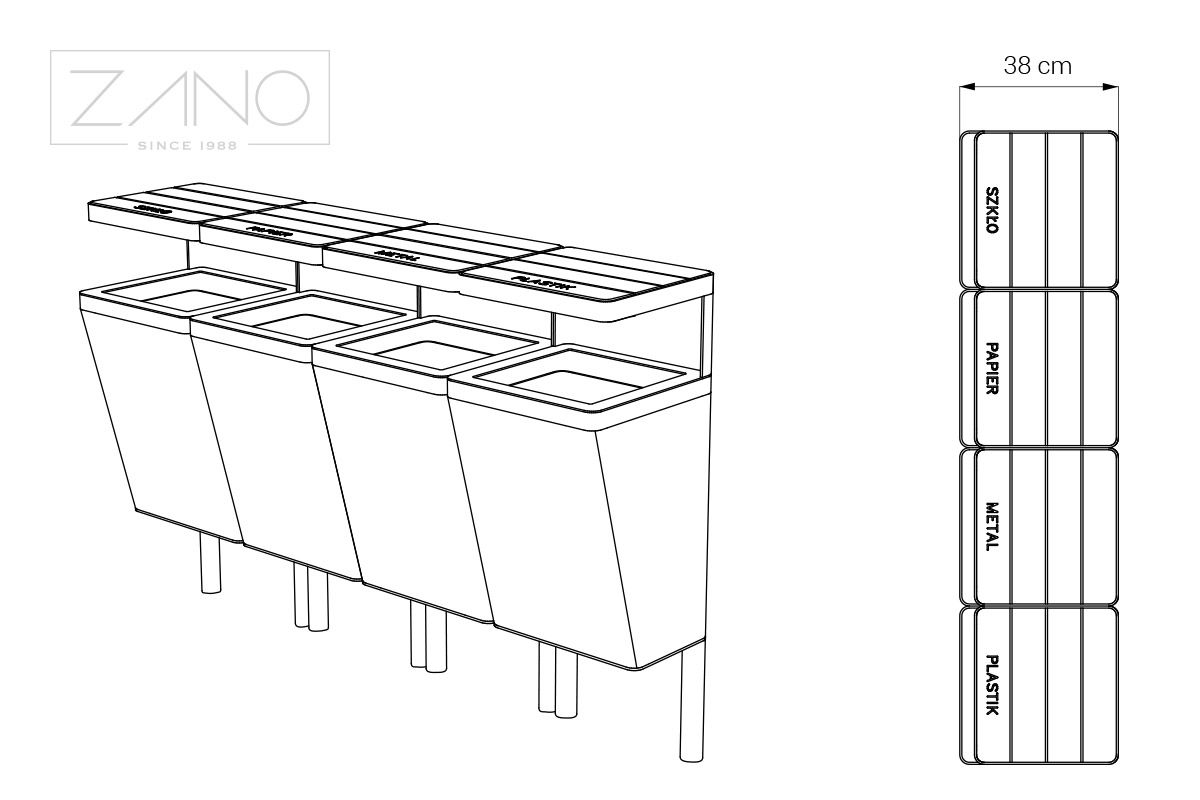
The Scandik recycling bin, model 15.446, is a sophisticated piece of urban furniture designed by Iwona Żaczek to meet the functional and aesthetic requirements of modern public spaces. Characterized by a minimalist silhouette, this unit seamlessly integrates into diverse architectural landscapes, from contemporary office plazas to historic city centers. With a width of 63 ¾ inches, a height of 40 ¼ inches, and a depth of 15 inches, the bin provides substantial capacity for effective waste management while maintaining a streamlined, space-efficient profile. As a premium element of street furniture, it prioritizes both durability and visual harmony, ensuring that waste segregation becomes a natural part of the urban environment.
Engineered for longevity, the structure of the Scandik bin is available in robust carbon steel (S235JR) or high-grade stainless steel (AISI 304), both of which are resistant to intensive daily use and environmental stressors. The design offers extensive configuration possibilities to suit specific project needs, particularly through its versatile canopy options. Clients may choose from European coniferous wood, durable hardwood, exotic oiled or premium wood, sleek HPL board, or matching metal finishes. Each unit is equipped with a functional galvanized sheet insert, facilitating easy emptying and maintenance. Designed without an ashtray, the focus remains strictly on efficient waste segregation garbage cans, promoting clean and organized public surroundings.
Flexibility in installation is a key feature of the Scandik line, allowing the bin to be either grouted into the ground or bolted to a surface, ensuring stability in high-traffic pedestrian zones. This recycling bin exemplifies the marriage of industrial-grade engineering and refined design, making it an ideal choice for urban planners and architects looking for cohesive street furniture solutions. By utilizing high-quality materials and thoughtful material combinations—such as wood finish accents paired with industrial metal frameworks—the Scandik model provides a durable, reliable, and aesthetically pleasing solution for modern waste disposal requirements within city infrastructure.