Description
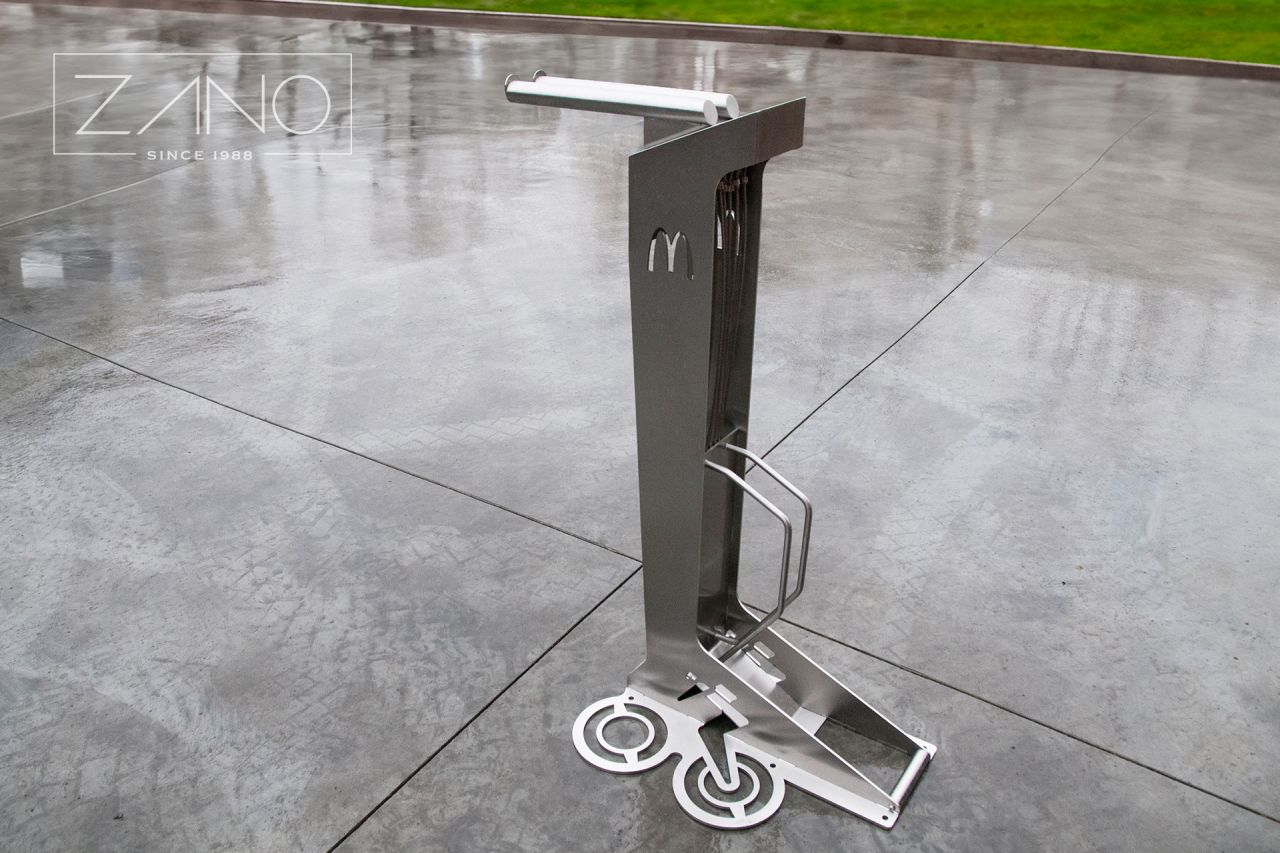
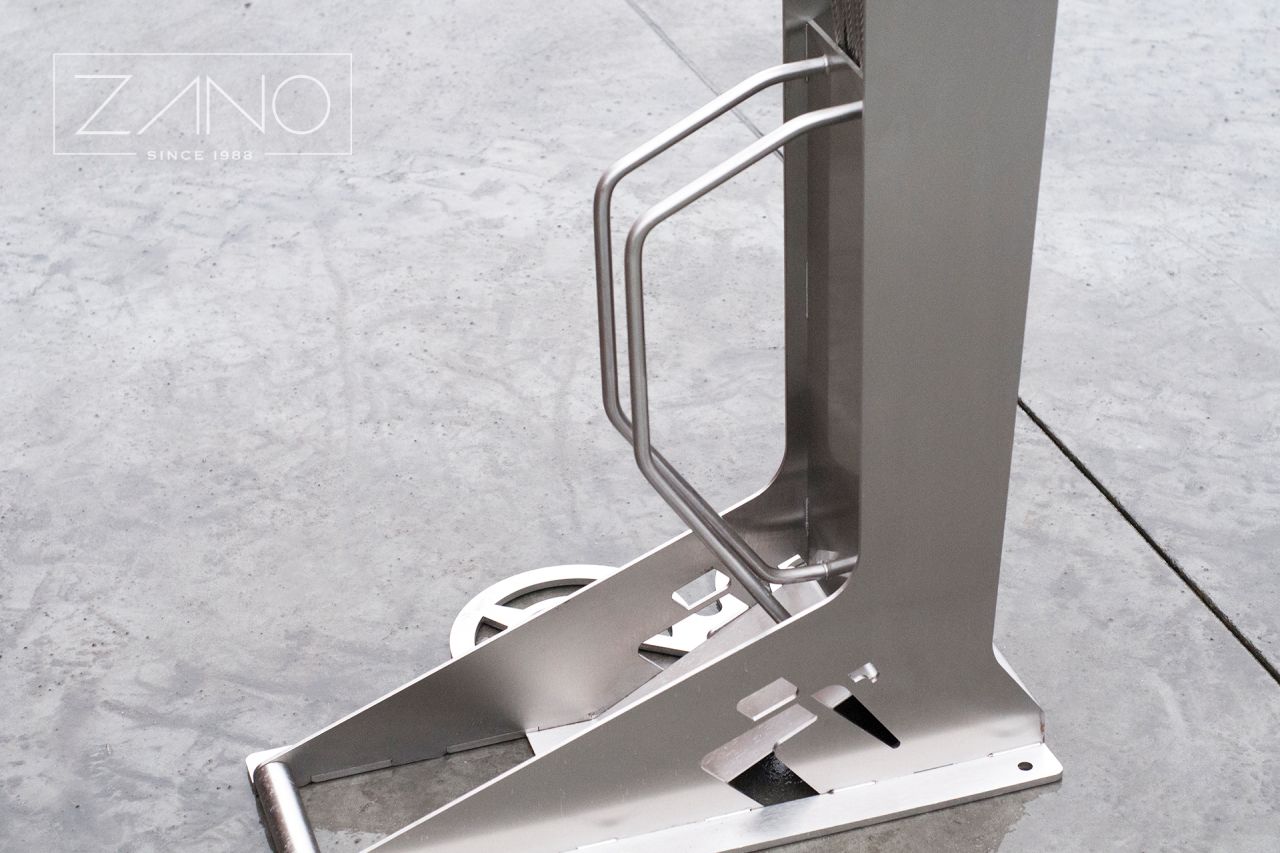
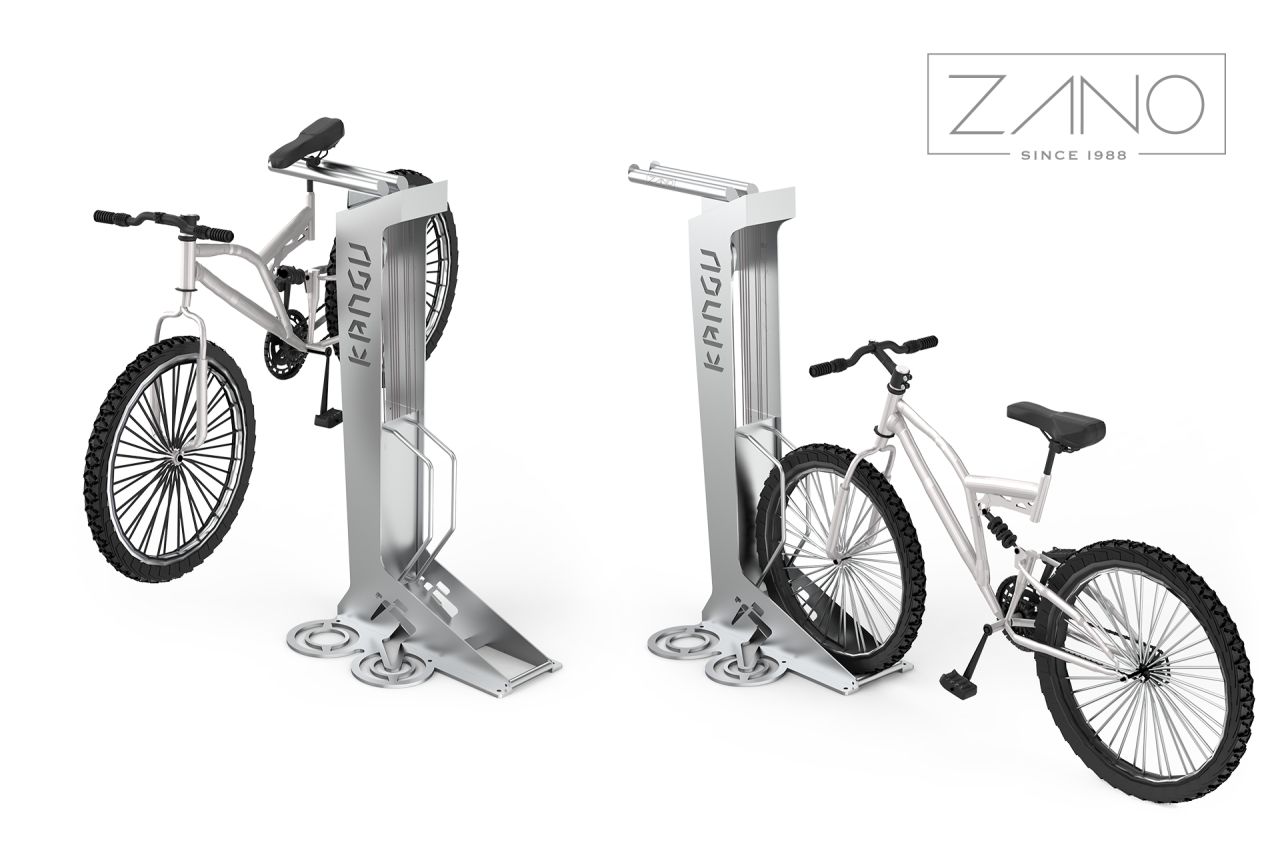
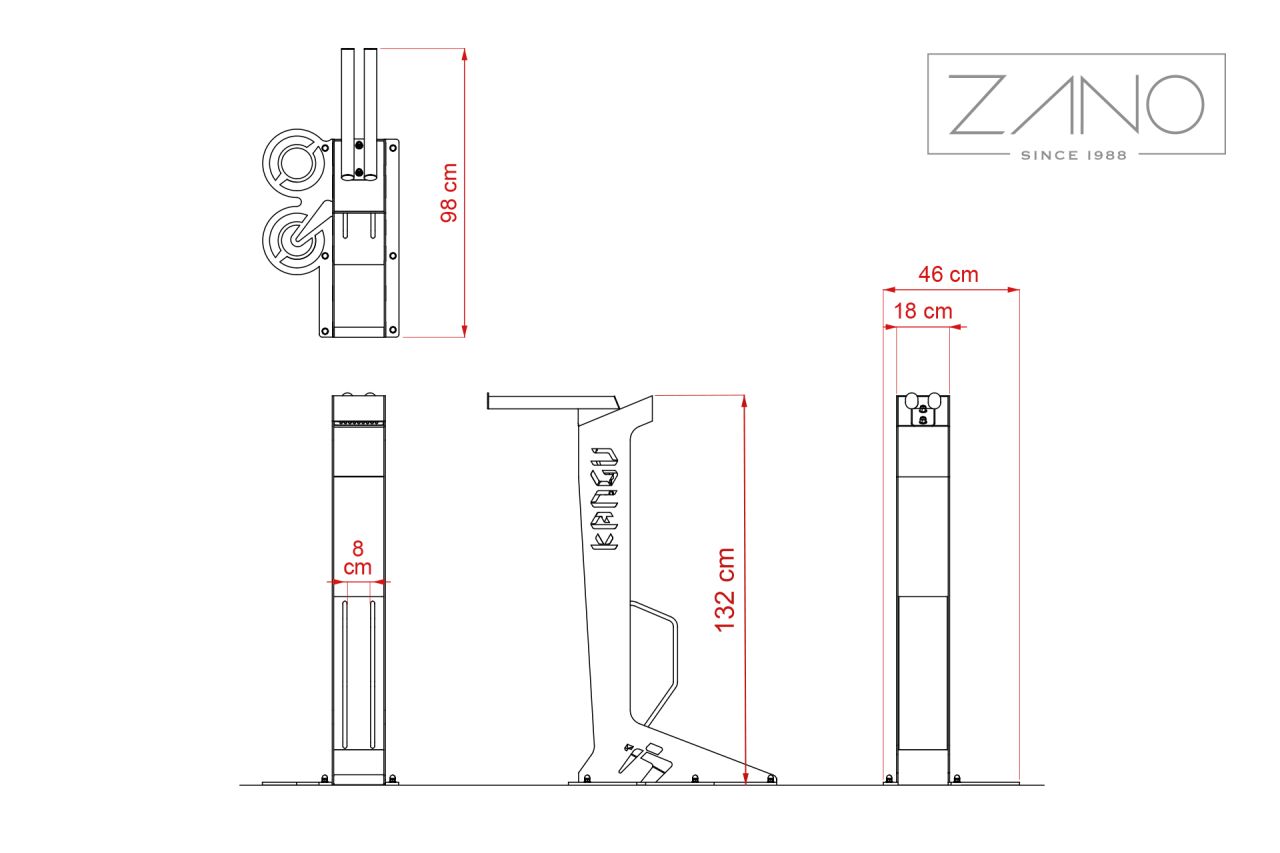
The Kangu bicycle repair station, model 18.004.1, represents a professional solution for modern urban furniture, specifically engineered to support the growing needs of cyclists in public spaces. Designed by Filip Babiarz, this bicycle zone element combines functional utility with a robust, minimalist aesthetic suitable for contemporary city landscapes. With dimensions of 18 inches in width, 52 inches in height, and a depth of 38 1/2 inches, the station provides an ergonomic and accessible interface for quick maintenance tasks. The structure is built to endure high-traffic environments, ensuring that commuters and recreational riders have reliable access to essential repair tools whenever they are navigating the urban grid.
Durability is at the core of the Kangu repair station, which is available in two high-grade material specifications: carbon steel (S235JR) or premium stainless steel (AISI 304). These high-quality materials guarantee resistance to weathering and mechanical stress, making it a reliable addition to any street furniture collection. Weighing 88 pounds, the unit is designed for secure installation, specifically utilizing a screw-in mounting method that ensures stability on various paved surfaces. Whether placed in parks, near office complexes, or along popular bike paths, this repair station serves as a vital piece of infrastructure that encourages sustainable transportation by providing the necessary support for daily bike upkeep.
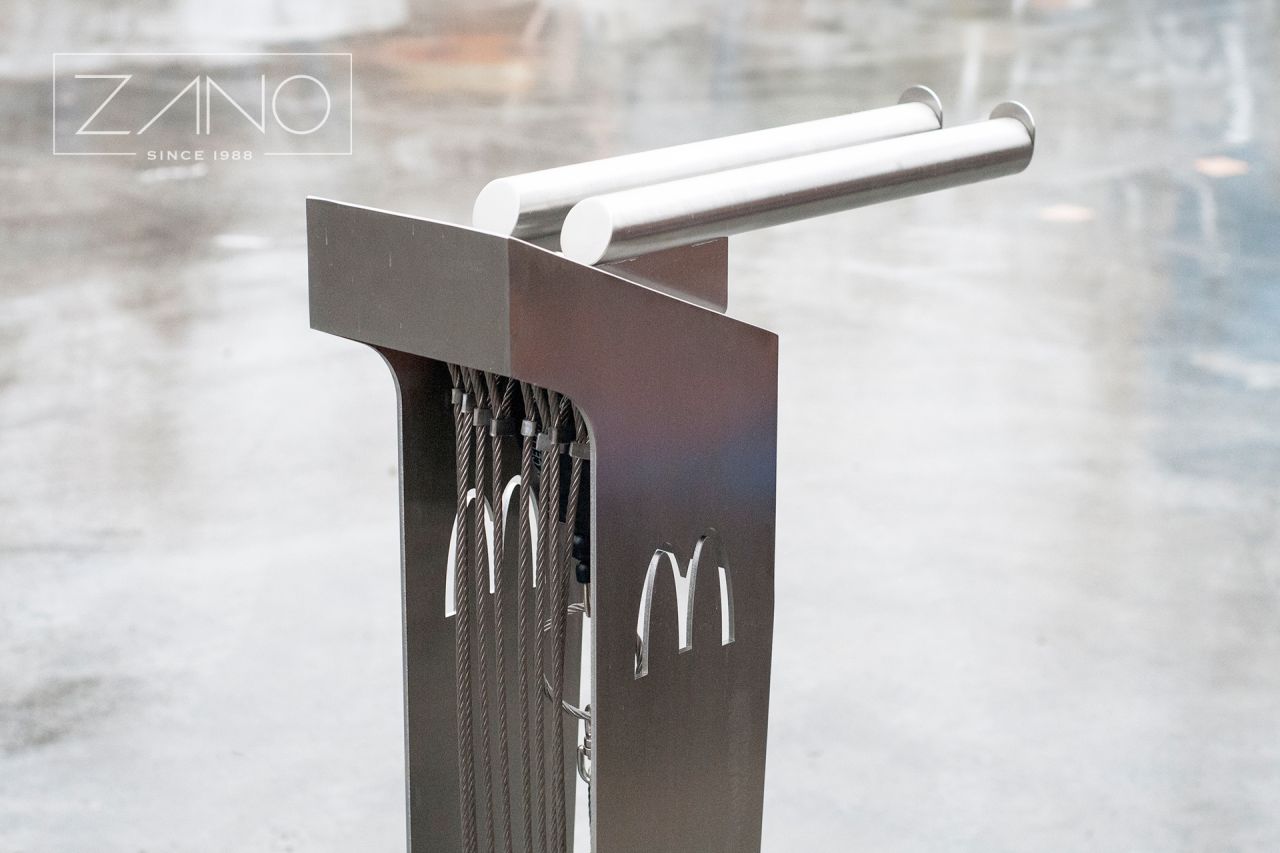
Customization options allow the Kangu station to align perfectly with municipal or corporate branding requirements. Clients may choose between a clean, understated finish or personalized branding, including options for logos etched into stainless steel, precision-cut directly into the steel frame, or applied as durable stickers. By integrating these benches, trash bins, and specialized bicycle zone modules into a cohesive design language, planners can elevate the functionality and visual appeal of public environments. This repair station is not merely a tool for maintenance but a strategic investment in the long-term accessibility and infrastructure of bicycle-friendly cities.