Description
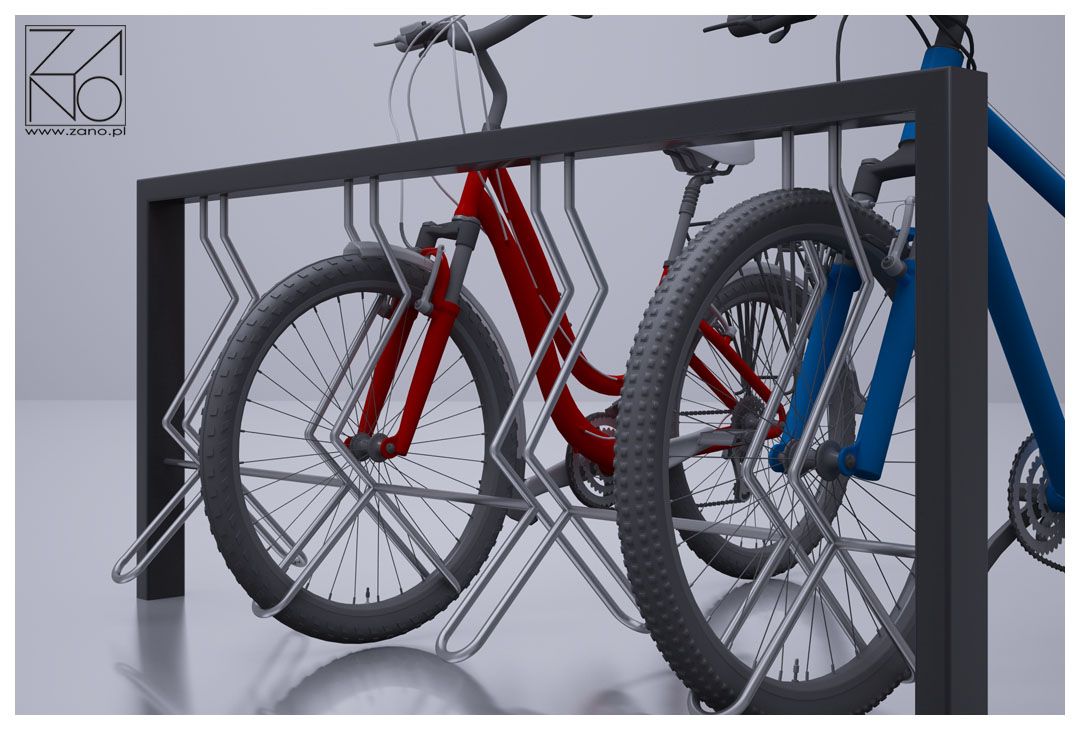
The Kaskada bicycle rack, model 05.056.2, is a sophisticated solution for modern urban furniture infrastructure, meticulously designed by Tomasz Szpytma. As a central element of the Kaskada product line, this bike rack combines structural integrity with a streamlined aesthetic, making it an ideal choice for high-traffic public spaces, transit hubs, and corporate environments. Constructed from high-quality steel profiles and reinforced with steel bars, the unit is engineered to withstand intensive daily use while maintaining its form. The rack is available in two robust material finishes: carbon steel (S235JR) or premium stainless steel (AISI 304), allowing for seamless integration into diverse architectural landscapes and environmental conditions.
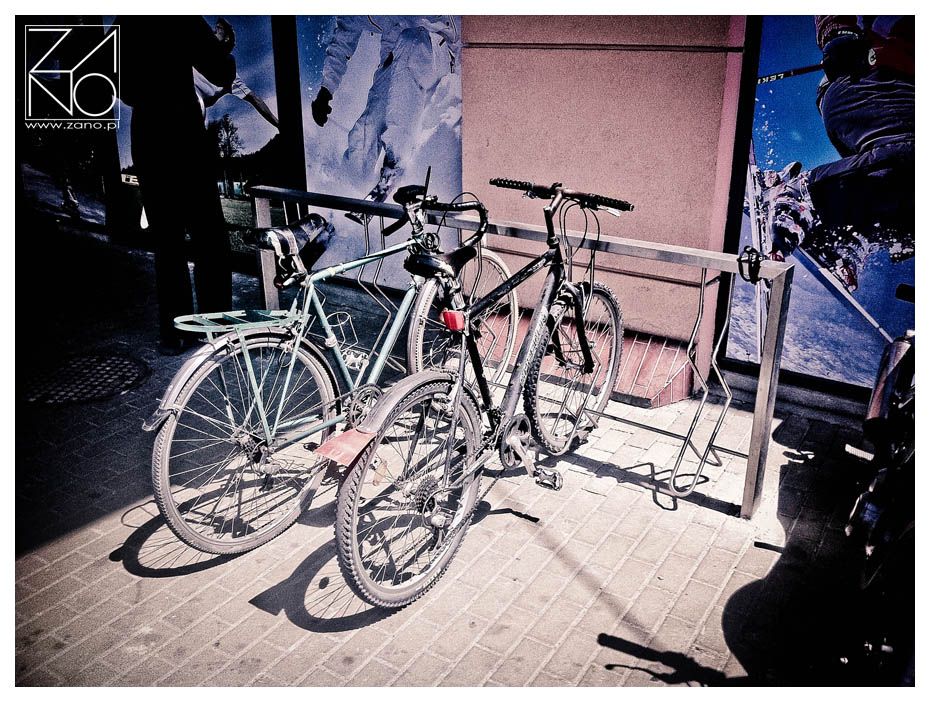
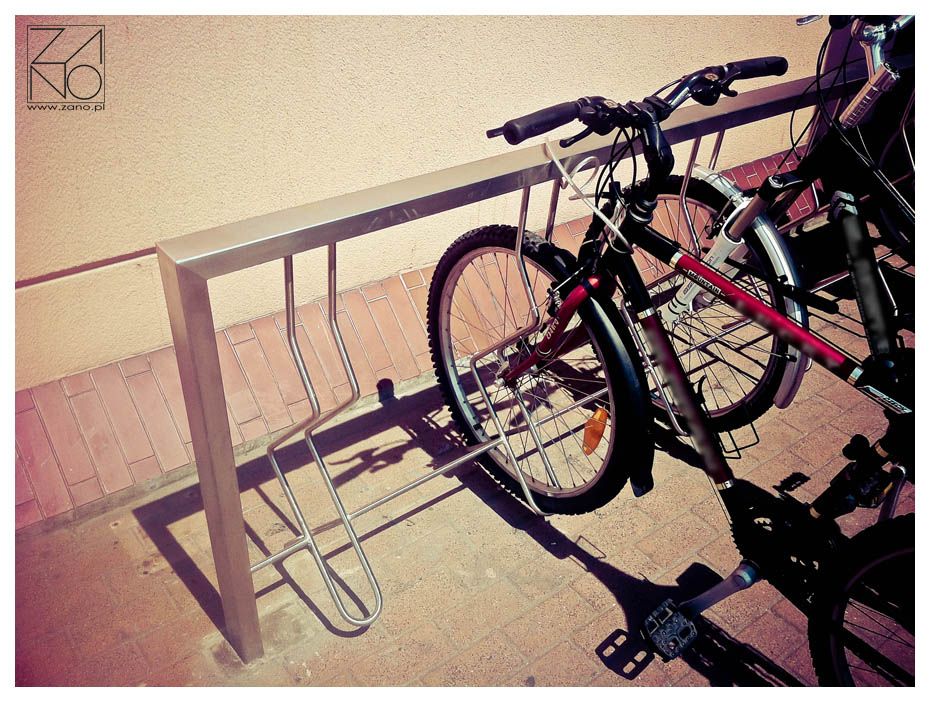
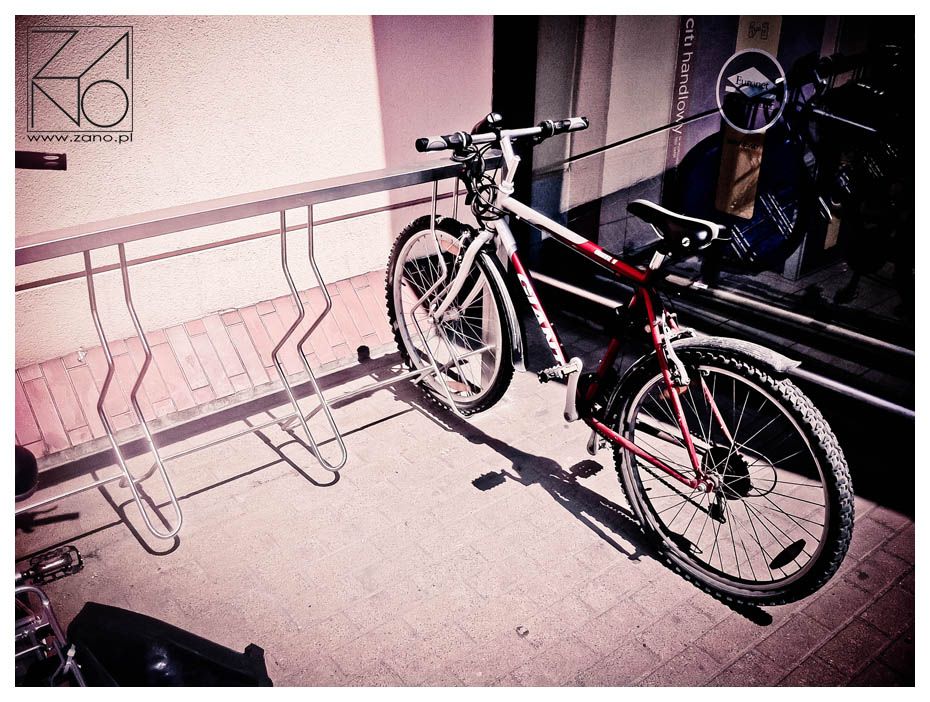
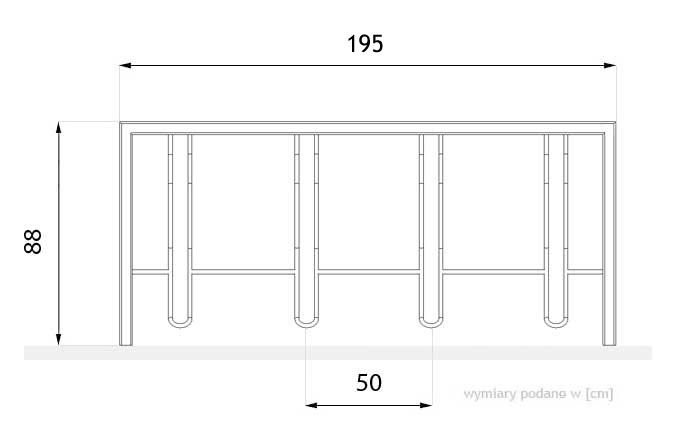
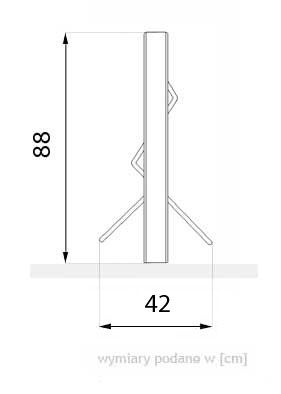
Functionality is at the core of the Kaskada design, providing a secure and organized parking solution for cyclists. The system is available in multiple configurations, accommodating between three and seven bicycles, which provides flexibility for planning street furniture layouts in limited or expansive public areas. With a ground-surface height of 34 ¾ inches and a total length of 76 ¾ inches, the rack offers optimal accessibility for various bicycle frame styles. The installation process is simplified through a dedicated grouting method, ensuring the benches and other site furnishings surrounding the rack remain part of a cohesive and stable installation that prioritizes pedestrian safety and convenience.
This serial product reflects ZANO’s commitment to durability and ergonomic design in the realm of public infrastructure. The Kaskada bicycle rack weighs 126 lbs, providing a substantial foundation that supports stability even in exposed outdoor settings. By incorporating this modular rack into a wider site plan alongside complementary trash bins and other urban furniture elements, urban planners can create a functional and visually consistent environment. Its minimalist design aesthetic ensures it serves as an unobtrusive yet essential utility that encourages sustainable transport and supports active mobility within the modern city, meeting the rigorous standards required for long-term municipal and commercial applications.