Description
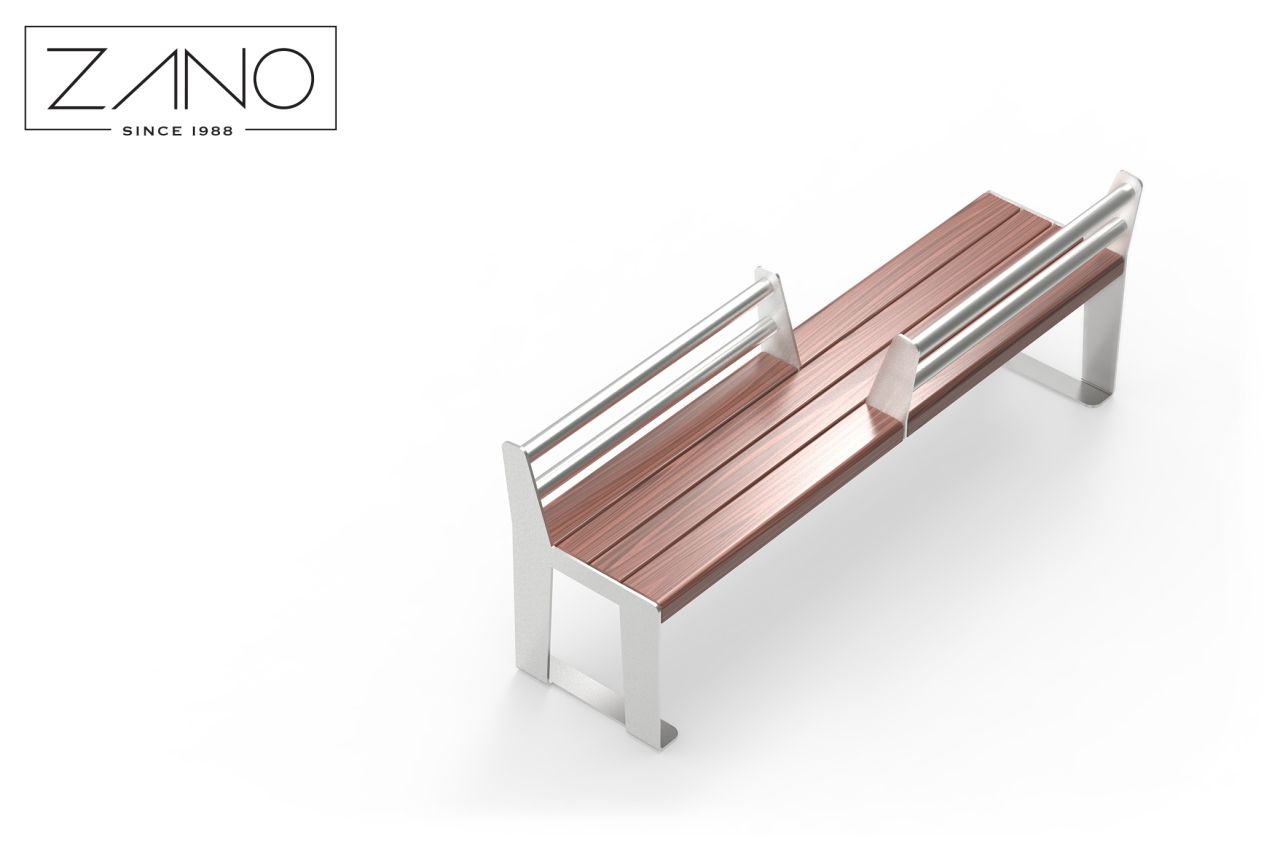
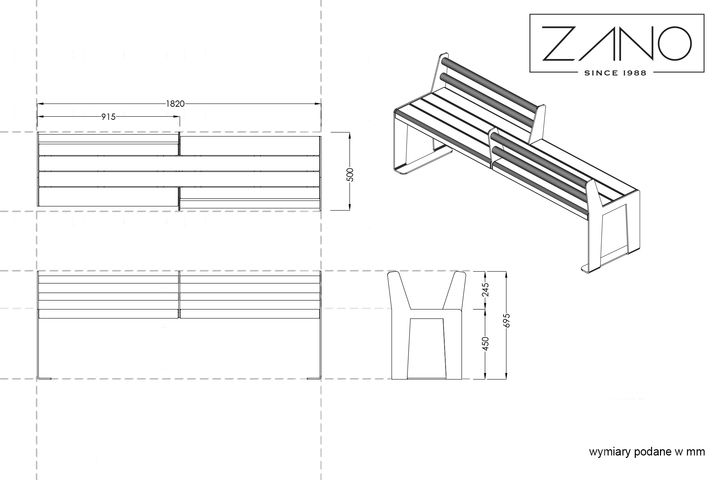
The Reliq Bench, identified by SKU 02.013.2, represents a sophisticated fusion of structural integrity and modern aesthetics within the contemporary urban furniture landscape. Designed by Michał Gzela, this double-sided bench with backrest is engineered to serve as a versatile focal point in high-traffic public spaces, including parks, plazas, and city centers. The construction utilizes high-quality metal frameworks, available in durable carbon steel (S235JR) or corrosion-resistant stainless steel (AISI 304). These robust steel profiles ensure long-term stability and resistance to environmental stressors, making it an ideal choice for outdoor installations that require reliable street furniture solutions.
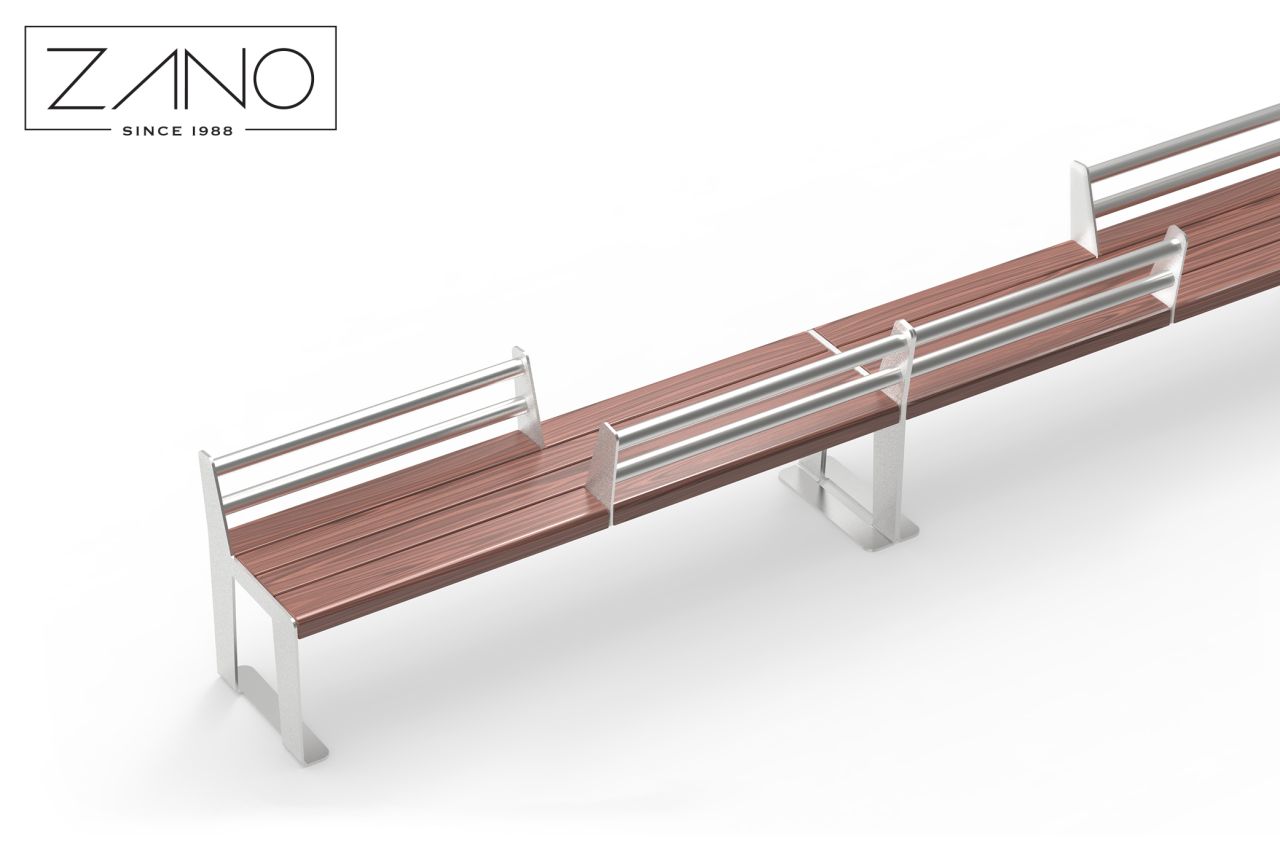
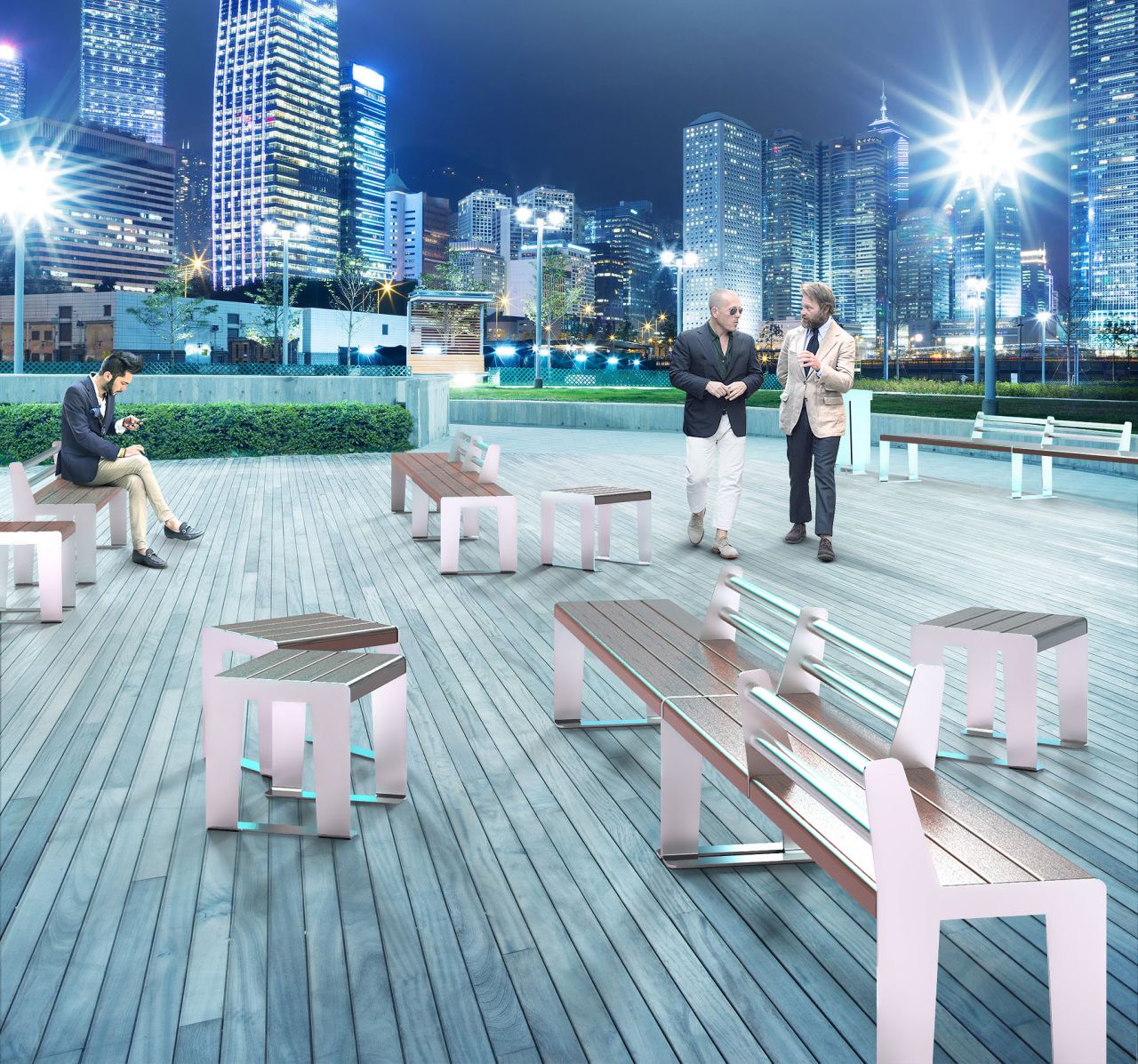
A defining feature of the Reliq bench is its premium seating surface, which is meticulously crafted to balance comfort and longevity. Clients can choose from a variety of wood species, ranging from traditional European coniferous and hardwood to high-grade exotic timbers, which can be finished with professional-grade oils to enhance their natural grain and weather resistance. The double-sided design maximizes utility, allowing for seamless integration into expansive pedestrian zones where efficient space utilization is essential. This architectural approach ensures that the bench functions not only as a seating element but also as an elegant spatial organizer within the broader urban furniture ecosystem.
Functionality is further enhanced by the practical mounting method, which allows the bench to be securely anchored to the ground via professional-grade screws. This installation technique provides necessary security in public environments while maintaining the sleek, minimalist silhouette that characterizes the Reliq product line. By prioritizing both high-quality materials and thoughtful ergonomic design, the Reliq bench offers an enduring solution for landscape architects and urban planners seeking premium benches that withstand the rigors of public use. Its aesthetic versatility allows it to blend harmoniously into diverse environments, effectively bridging the gap between utilitarian infrastructure and refined public art.