Description
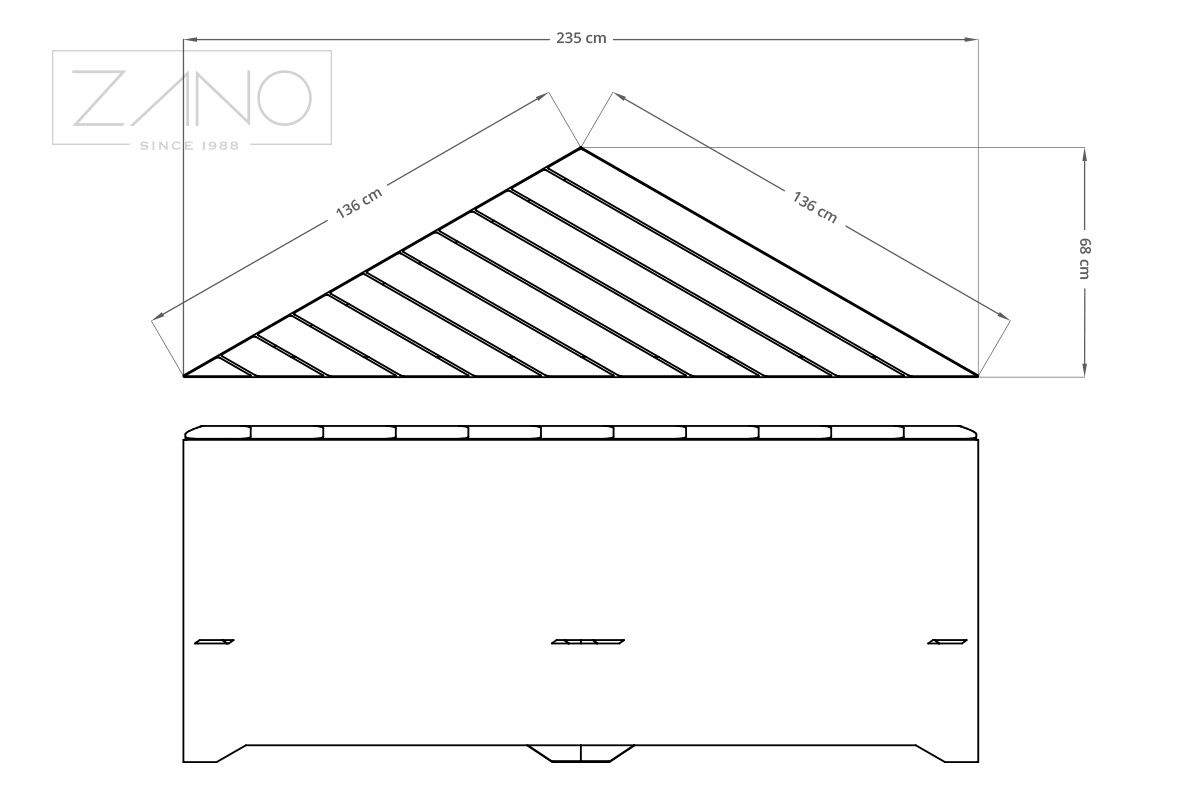
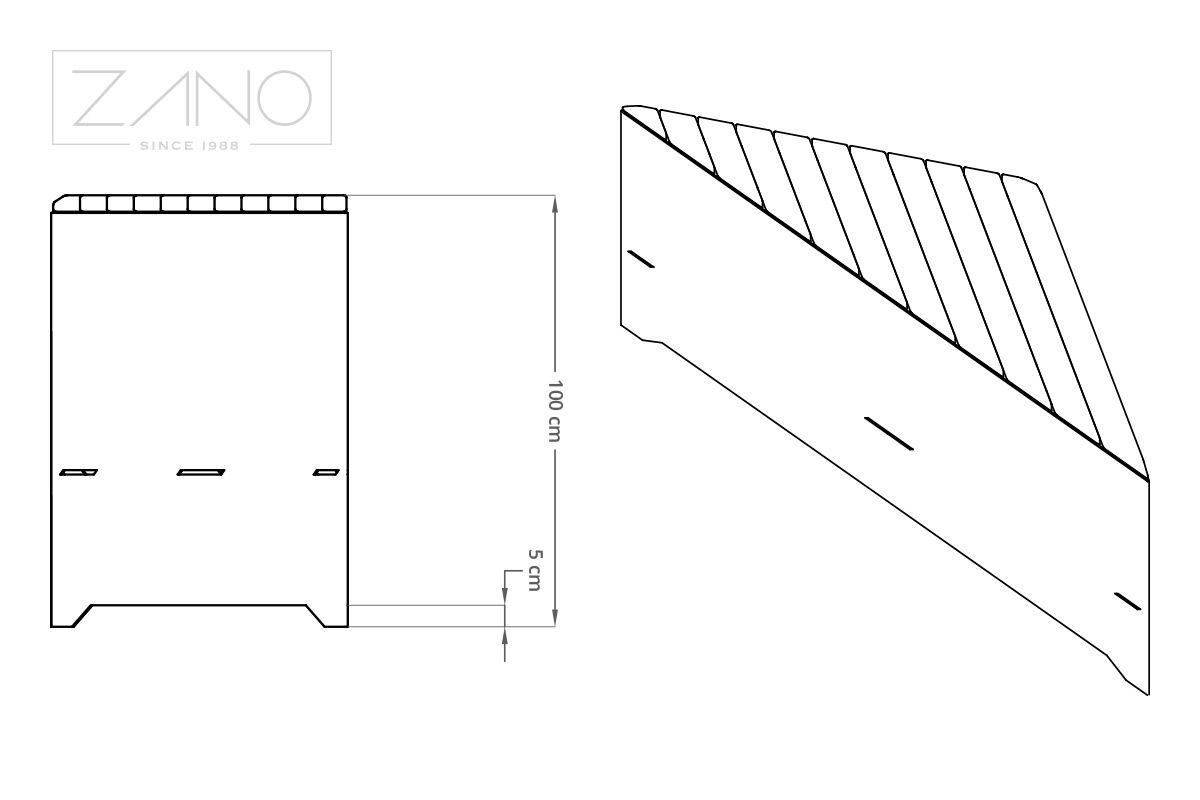
The Origami bench (02.460.3), designed by Filip Babiarz, represents a sophisticated advancement in urban furniture, characterized by its distinctive modular geometry. This piece of street furniture draws inspiration from the intricate art of paper folding, resulting in a dynamic, angular form that enhances contemporary public spaces. Measuring 92 1/2 inches along its longer side and 53 1/2 inches along its shorter side, the bench offers a sprawling, ergonomic profile suitable for plazas, parks, and modern architectural landscapes. Its thoughtful design encourages interaction, providing ample seating space while serving as a sculptural focal point within any metropolitan environment.
Engineered for resilience and longevity, the Origami bench is available with a construction of either durable carbon steel (S235Jr) or high-grade stainless steel (AISI 304). These robust metal bases provide a solid foundation for the seating surface, which can be customized using high-quality European coniferous wood, durable hardwood of European origin, or premium oiled exotic wood. This selection of materials ensures that the bench maintains structural integrity and aesthetic appeal despite exposure to varied weather conditions. Designed with professional installation in mind, the unit features a secure mounting method to the ground via anchoring, ensuring stability in high-traffic public spaces.
As a key element of ZANO’s modular bench collection, the Origami line offers versatility for landscape architects and urban planners looking to create cohesive seating arrangements. The integration of high-quality wood—available in a range of natural colors for exotic species or customizable lacquer finishes for spruce—allows for seamless integration into diverse design schemes. By combining clean, geometric lines with natural textures, this product exemplifies the balance between functional street furniture and artistic design. Its modular nature allows for creative configurations, enabling the user to define space while meeting the rigorous demands of modern urban infrastructure.