Description
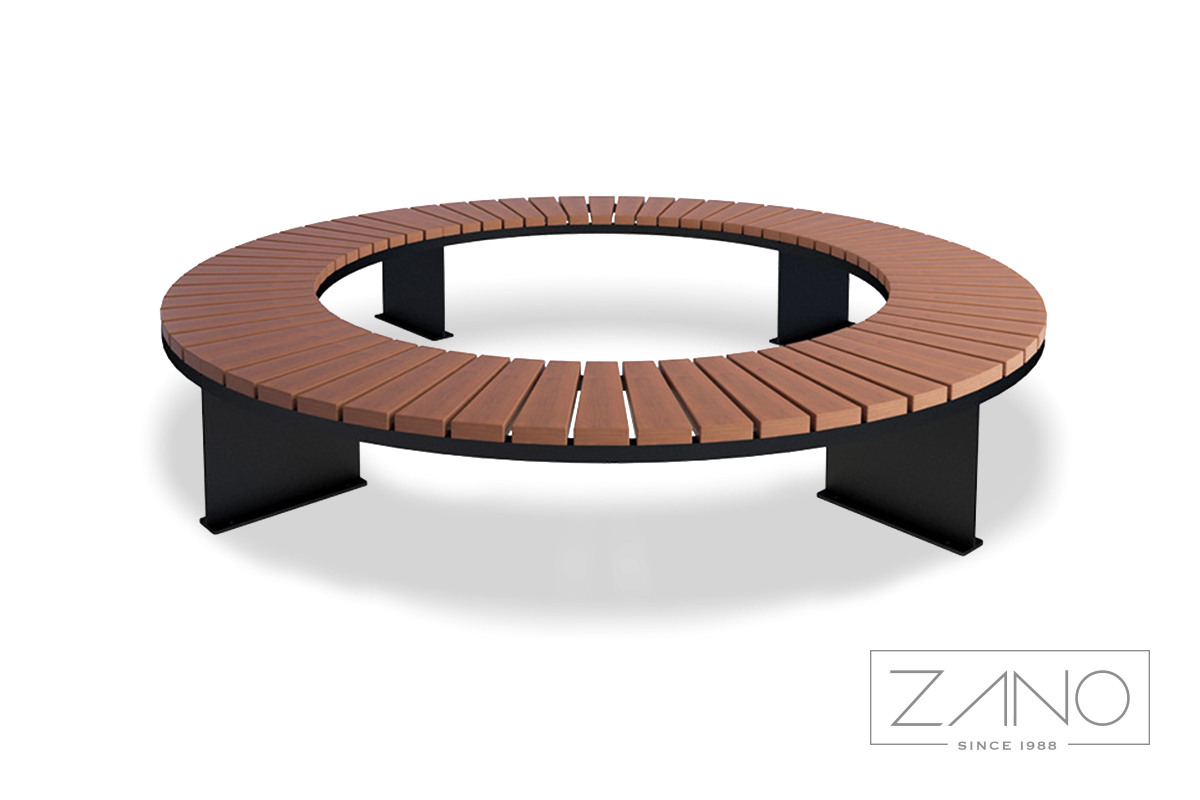
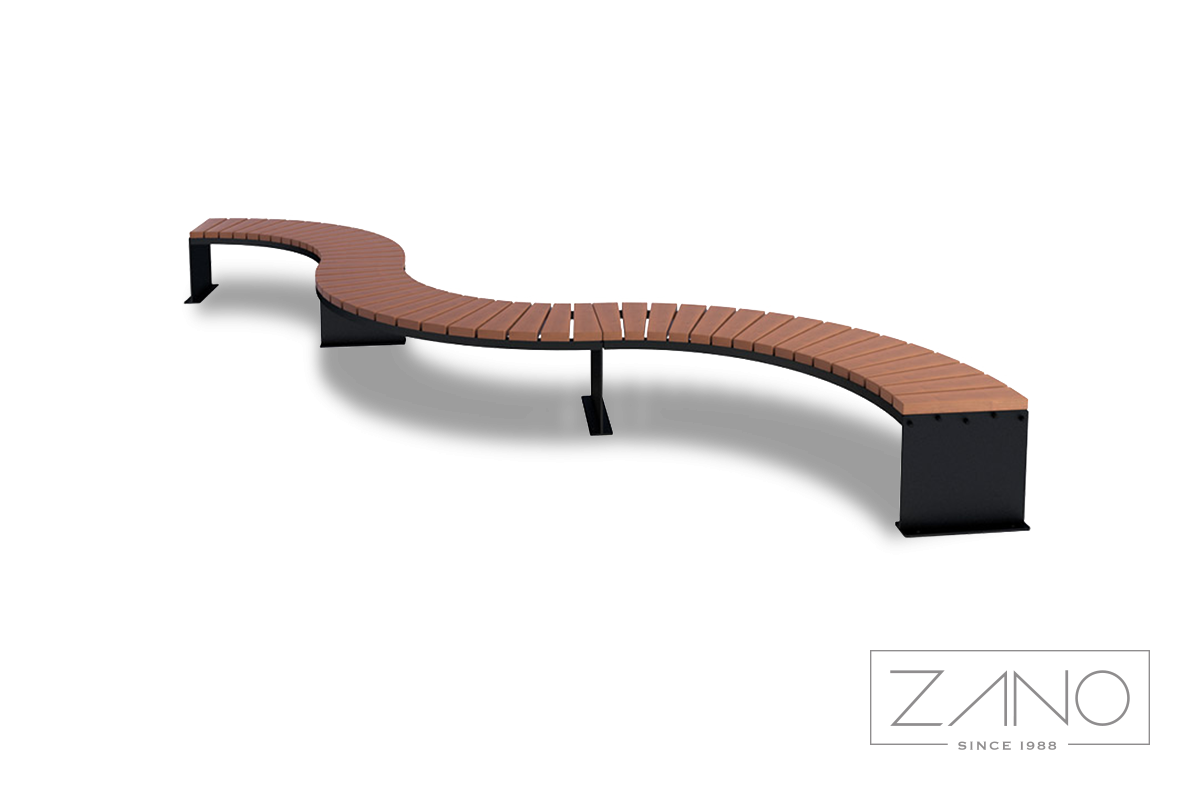
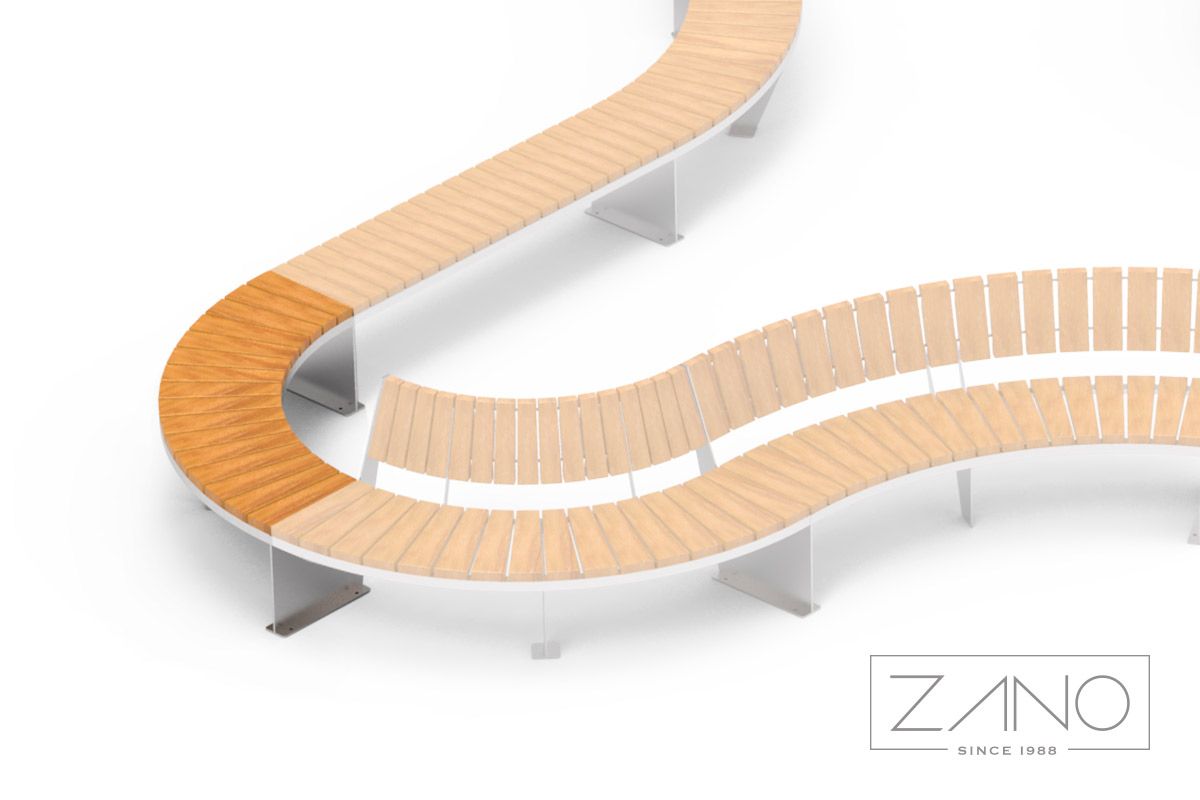
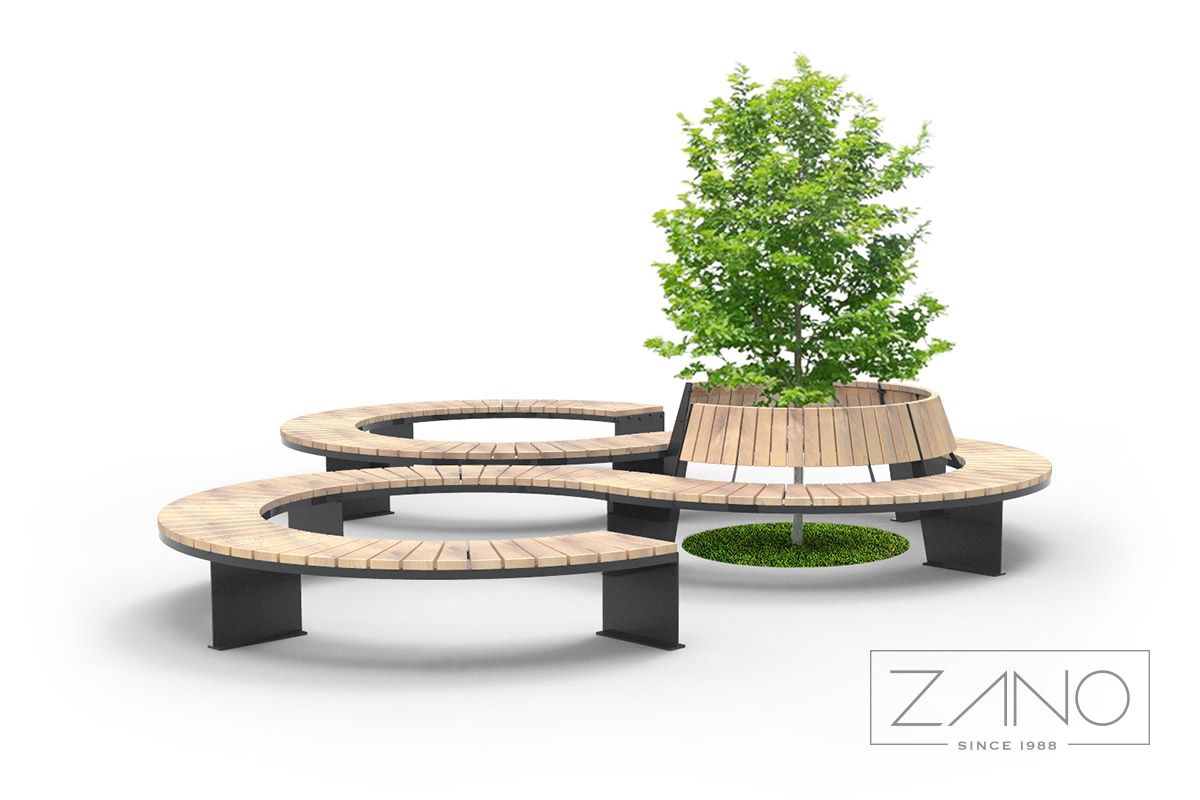
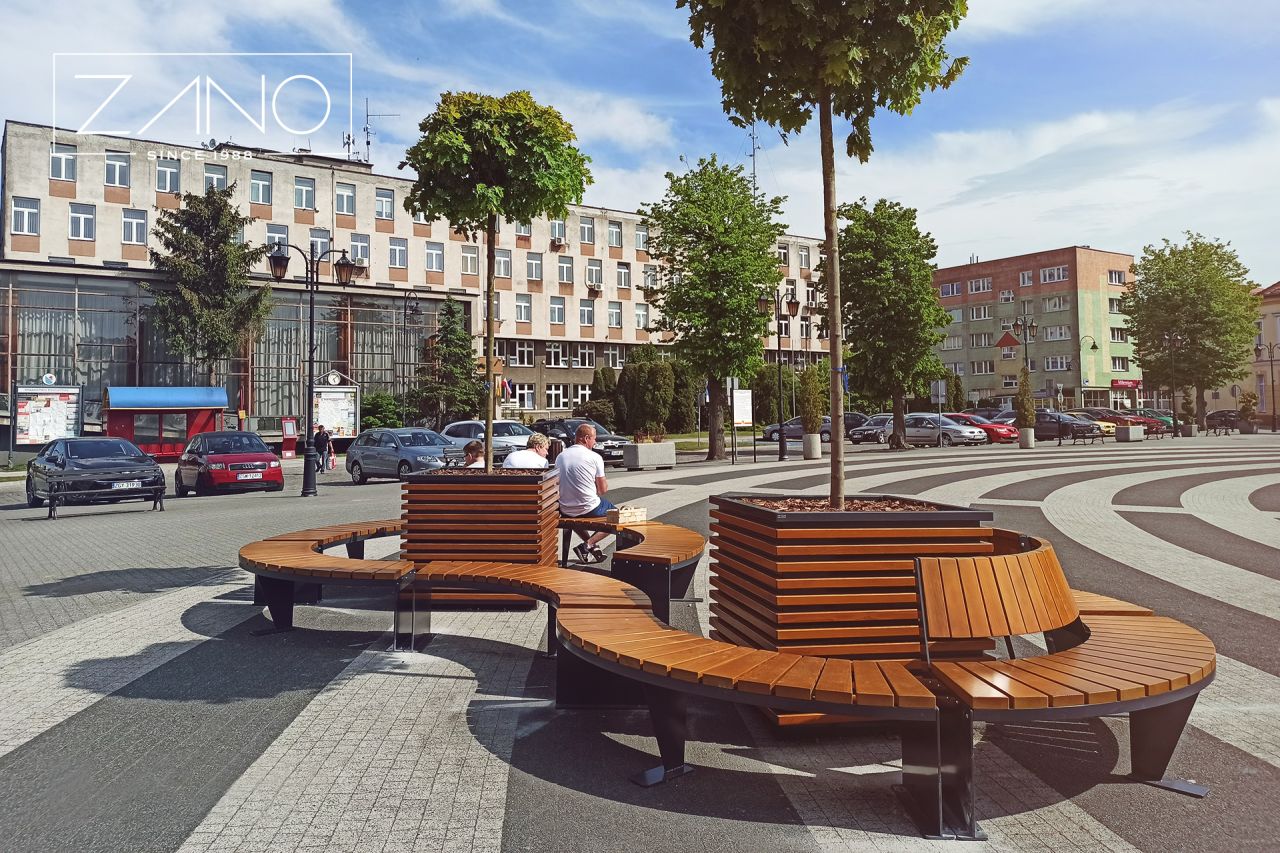
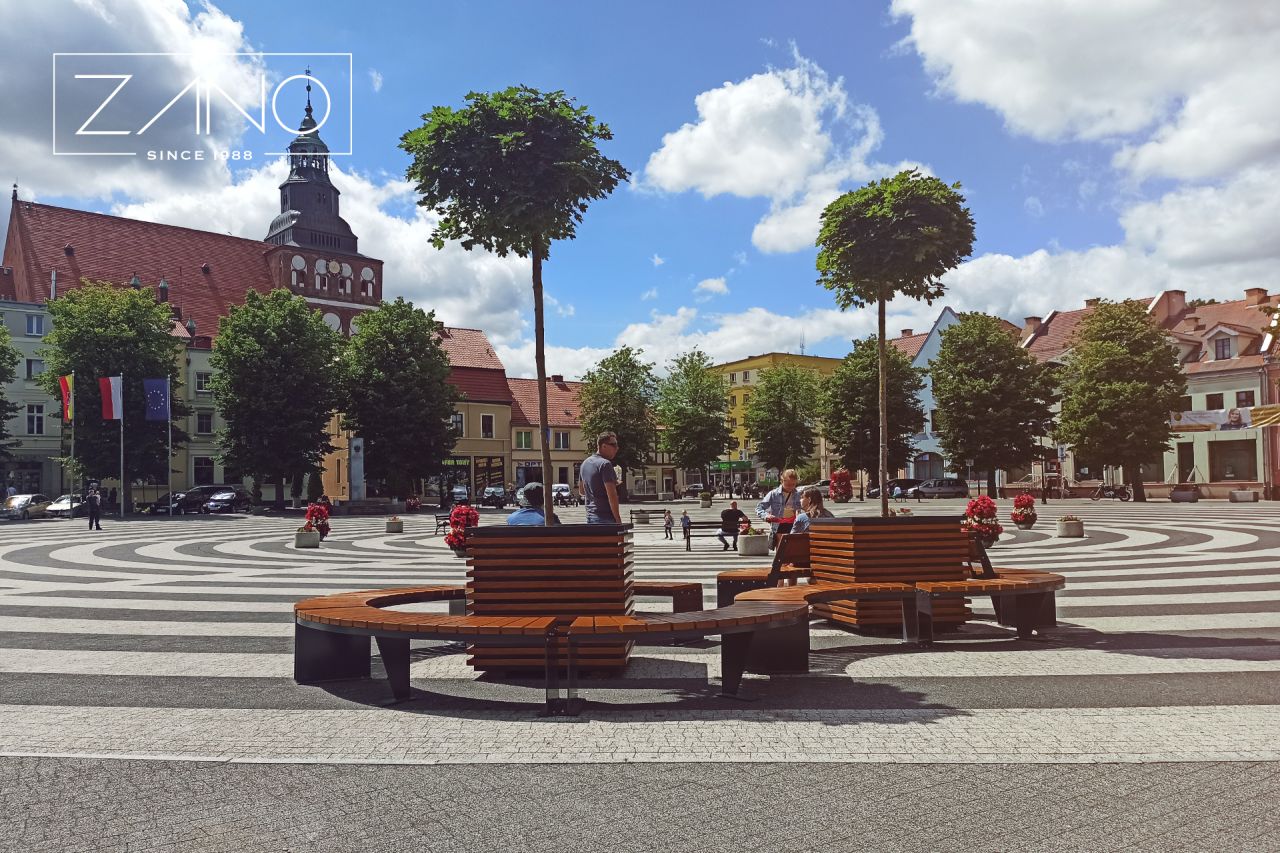
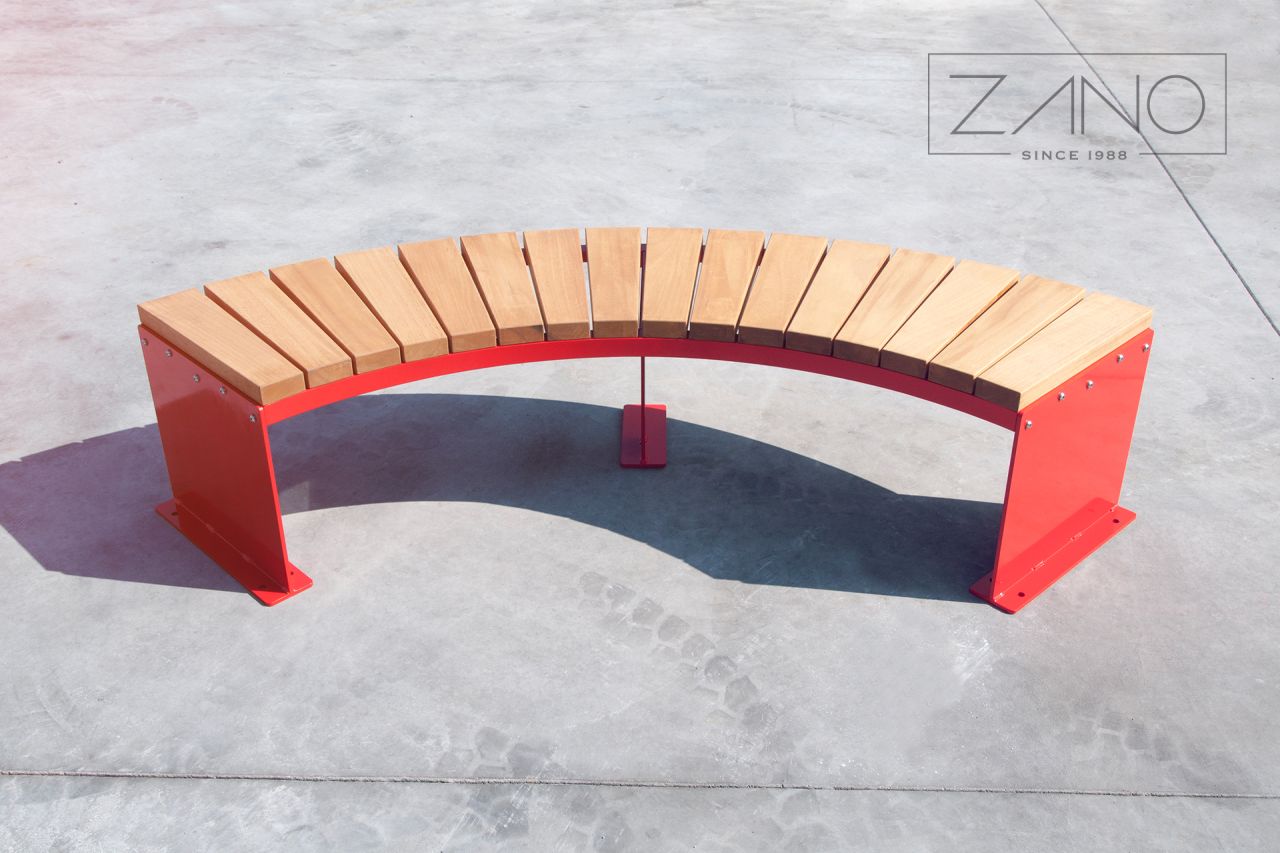
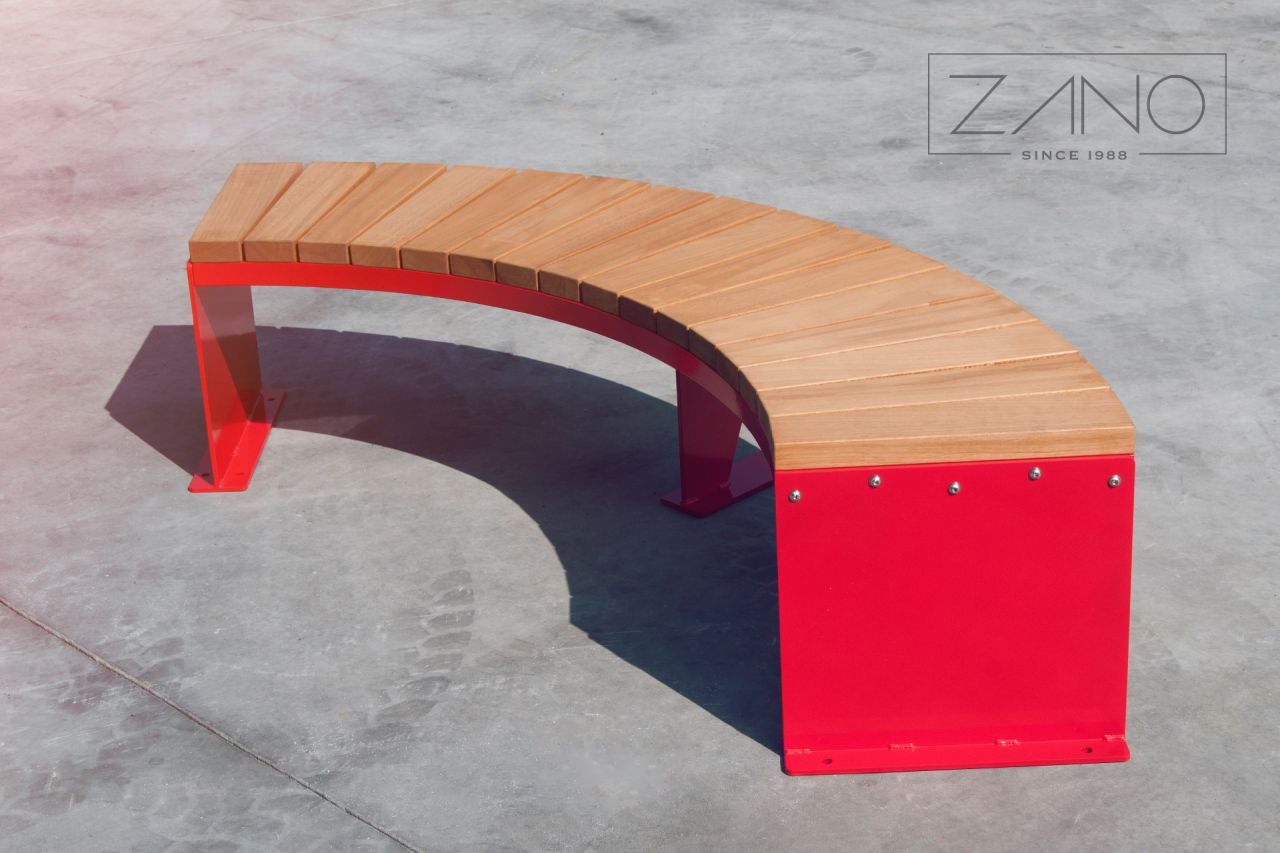
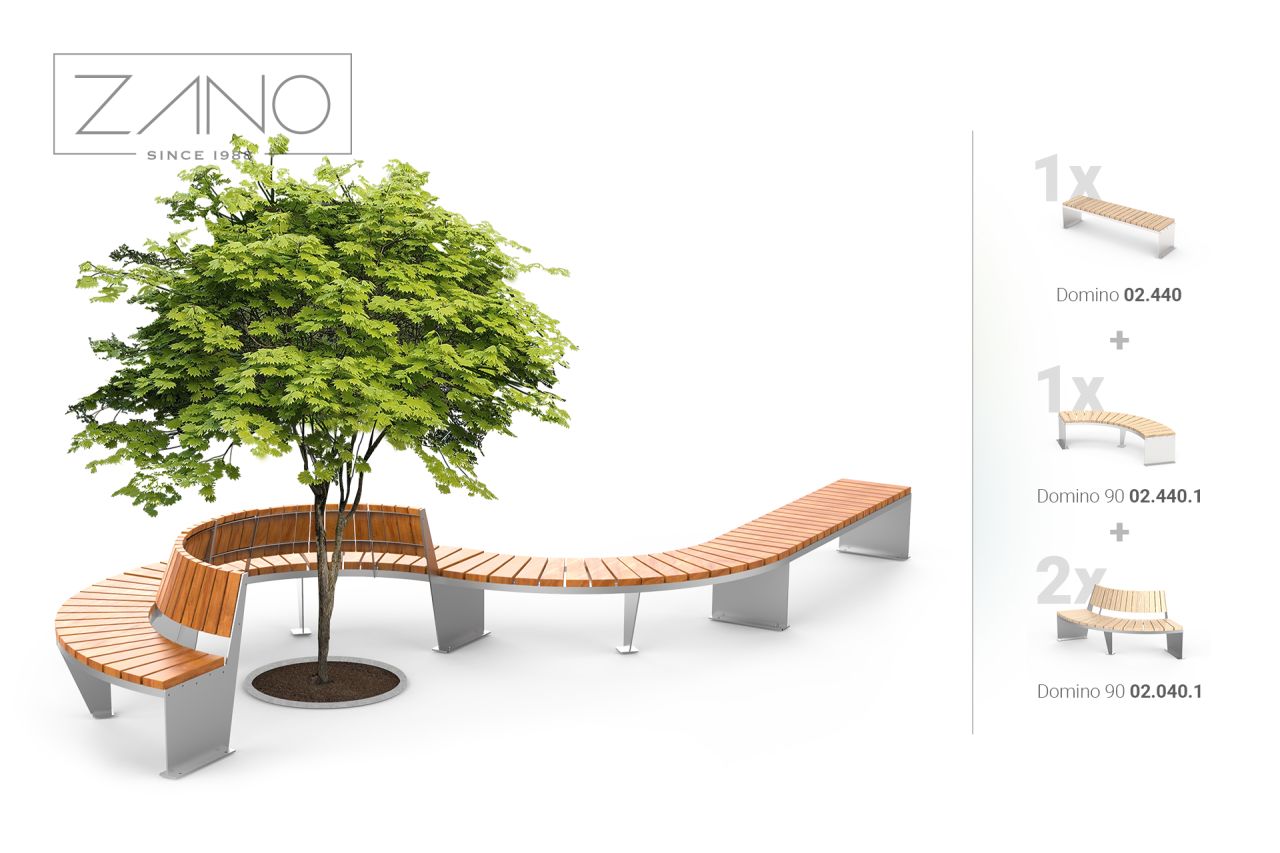
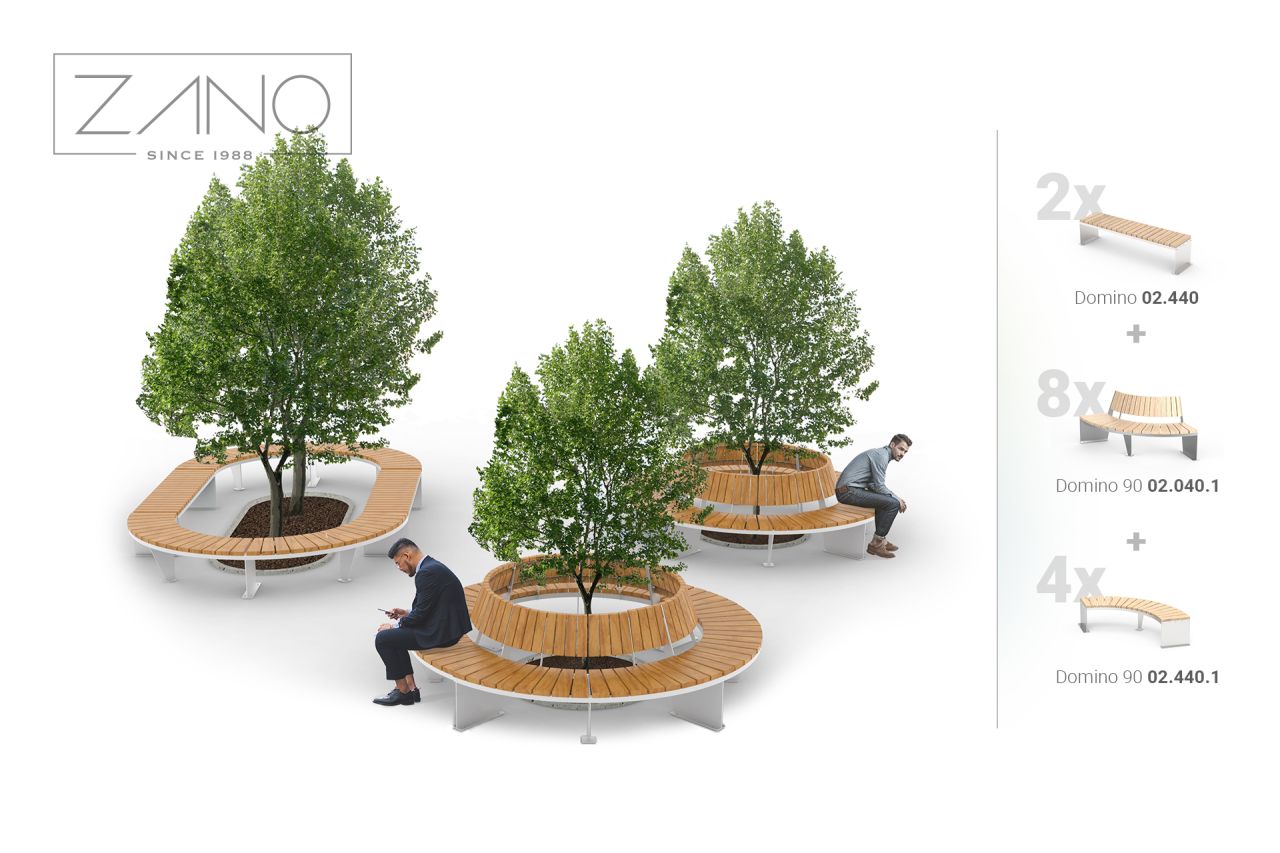
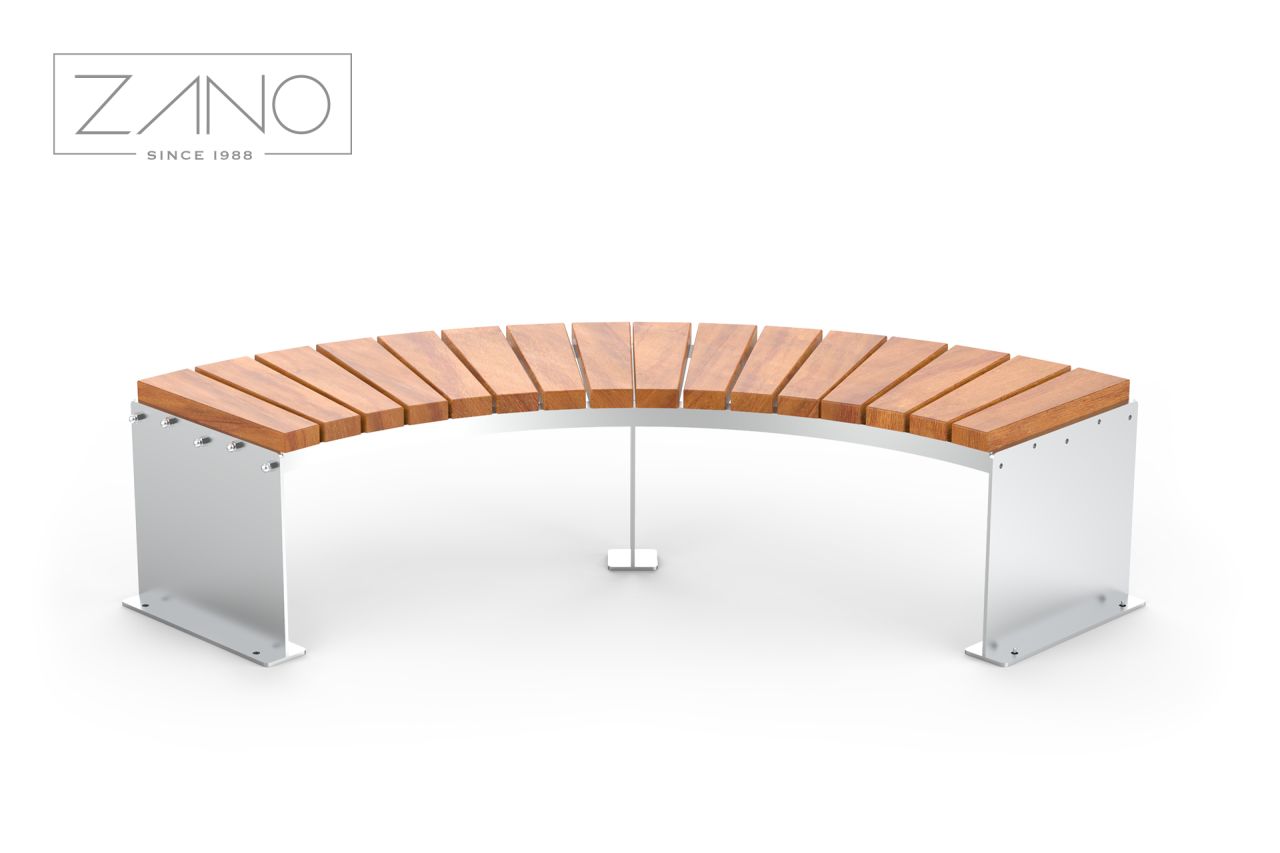
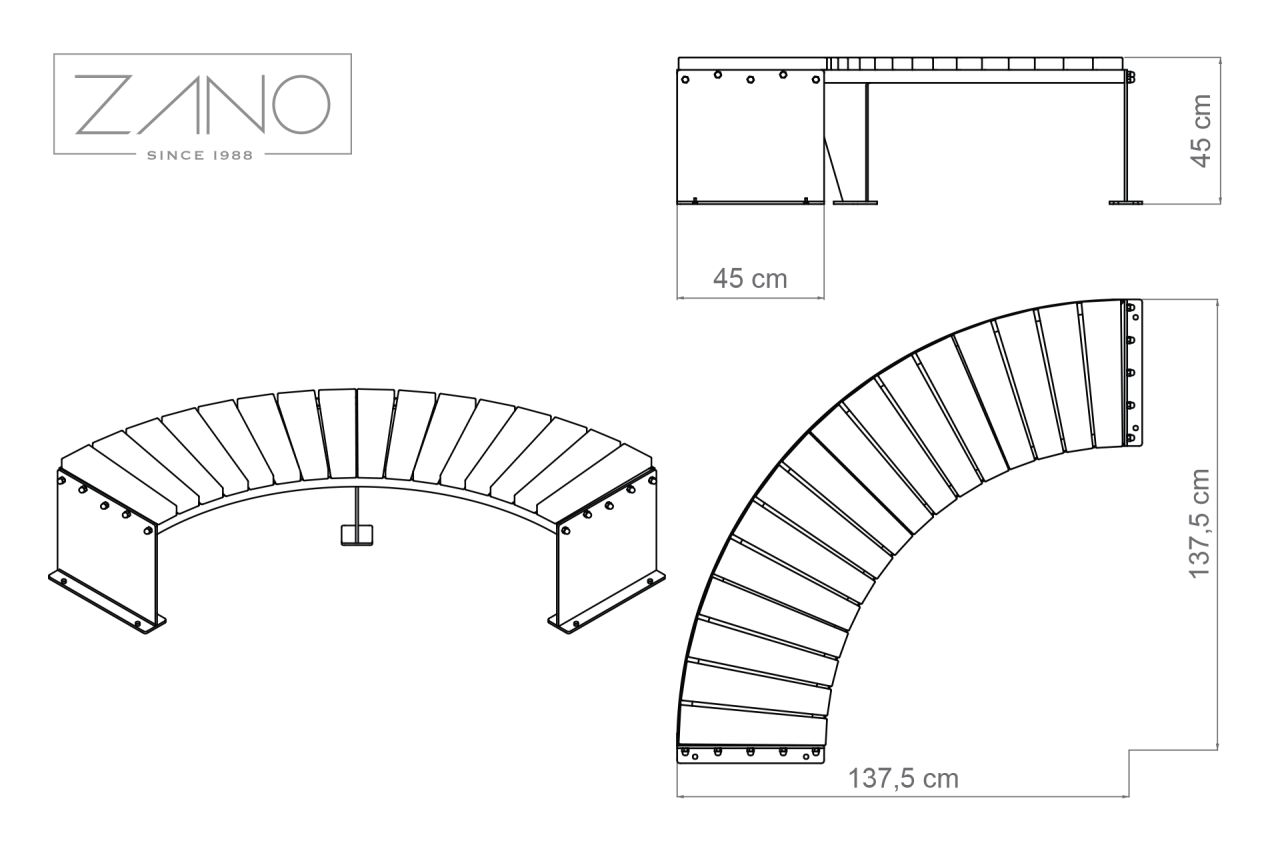
The Domino 90 bench, designated by SKU 02.440.1, represents a sophisticated advancement in modern urban furniture design. Engineered by Justyna Derewiaka, this piece is a cornerstone of the modular Domino product line, specifically developed to optimize spatial organization in public landscapes. Featuring a distinctive 90-degree bending angle, the bench serves as a functional corner unit or a geometric focal point within open plazas, parks, and city centers. Its robust construction ensures long-term durability, providing a reliable seating solution that adheres to the highest standards of street furniture engineering, while its one-sided, backless configuration encourages seamless integration into diverse architectural environments.
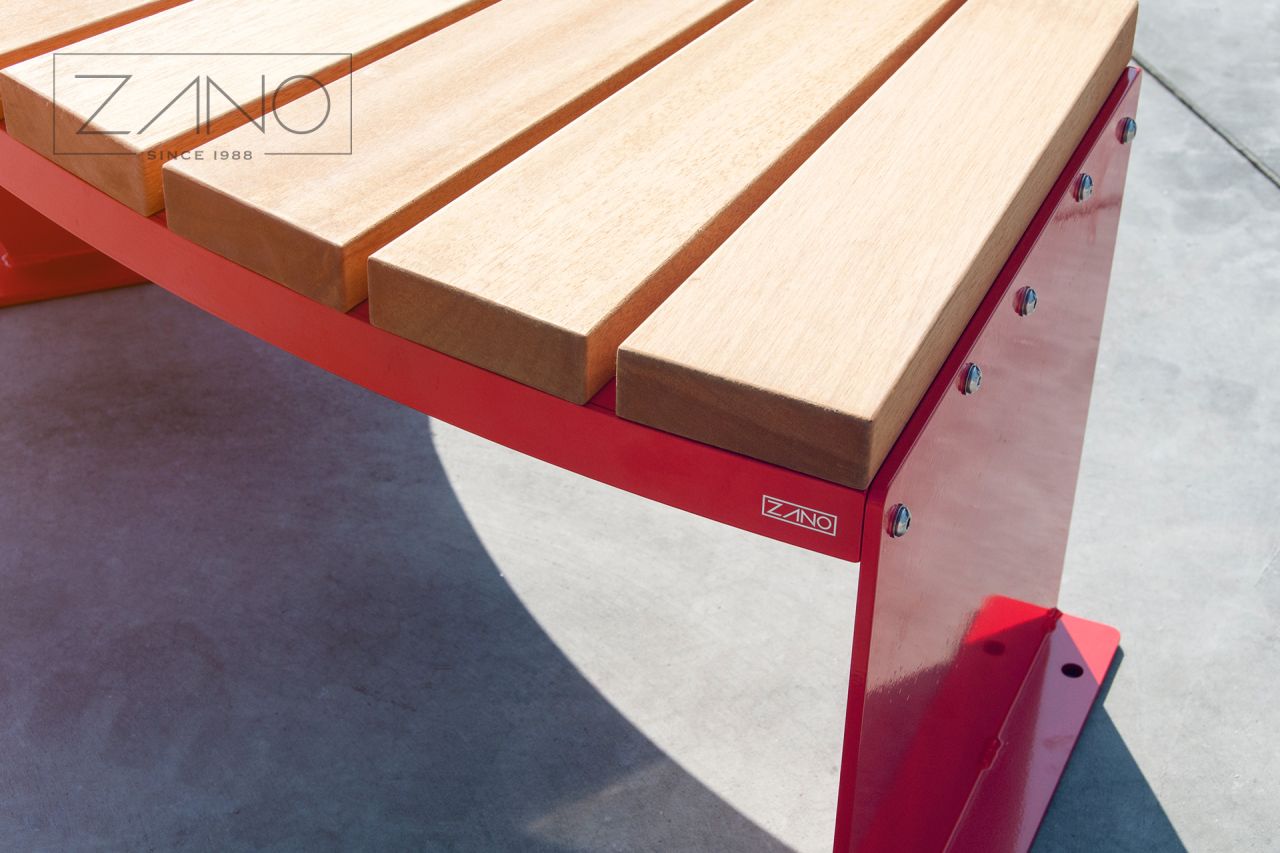
Materials utilized in the production of the Domino 90 are selected for both aesthetic appeal and environmental resilience. The structural frame is available in either high-quality carbon steel (S235JR) or premium stainless steel (AISI 304), providing structural integrity for high-traffic public areas. The seating surface offers extensive customization, featuring options such as European coniferous wood, durable hardwood of European origin, or various finishes of exotic wood, including premium variants and HPL board options for modern, low-maintenance requirements. These materials are chosen to withstand varying climatic conditions, ensuring that this bench maintains its functional and visual qualities over an extended operational lifespan.
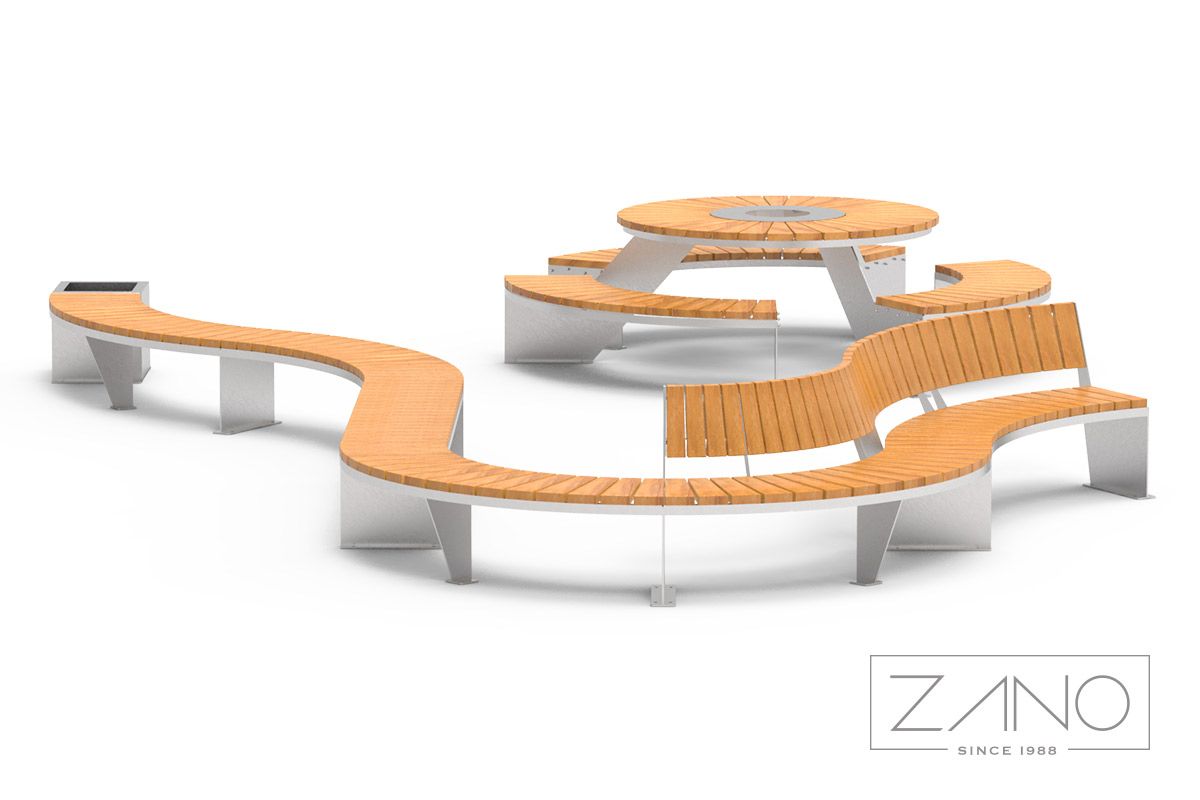
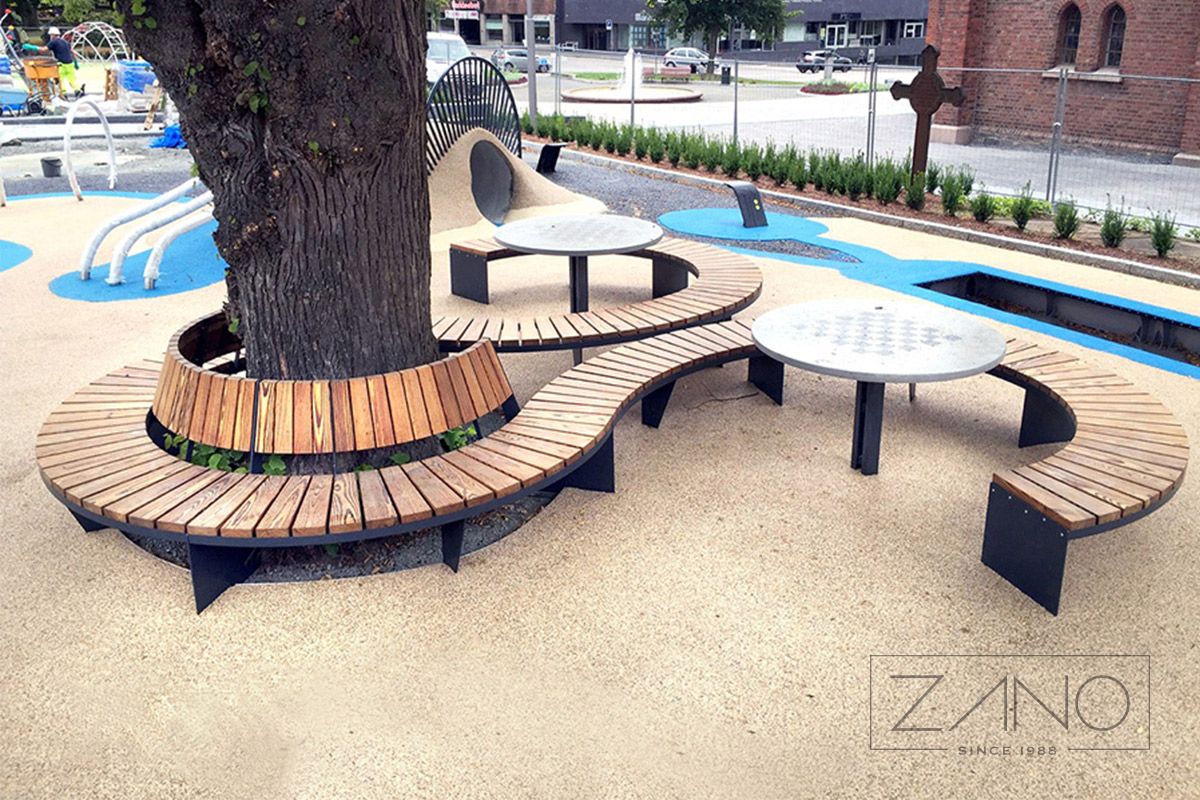
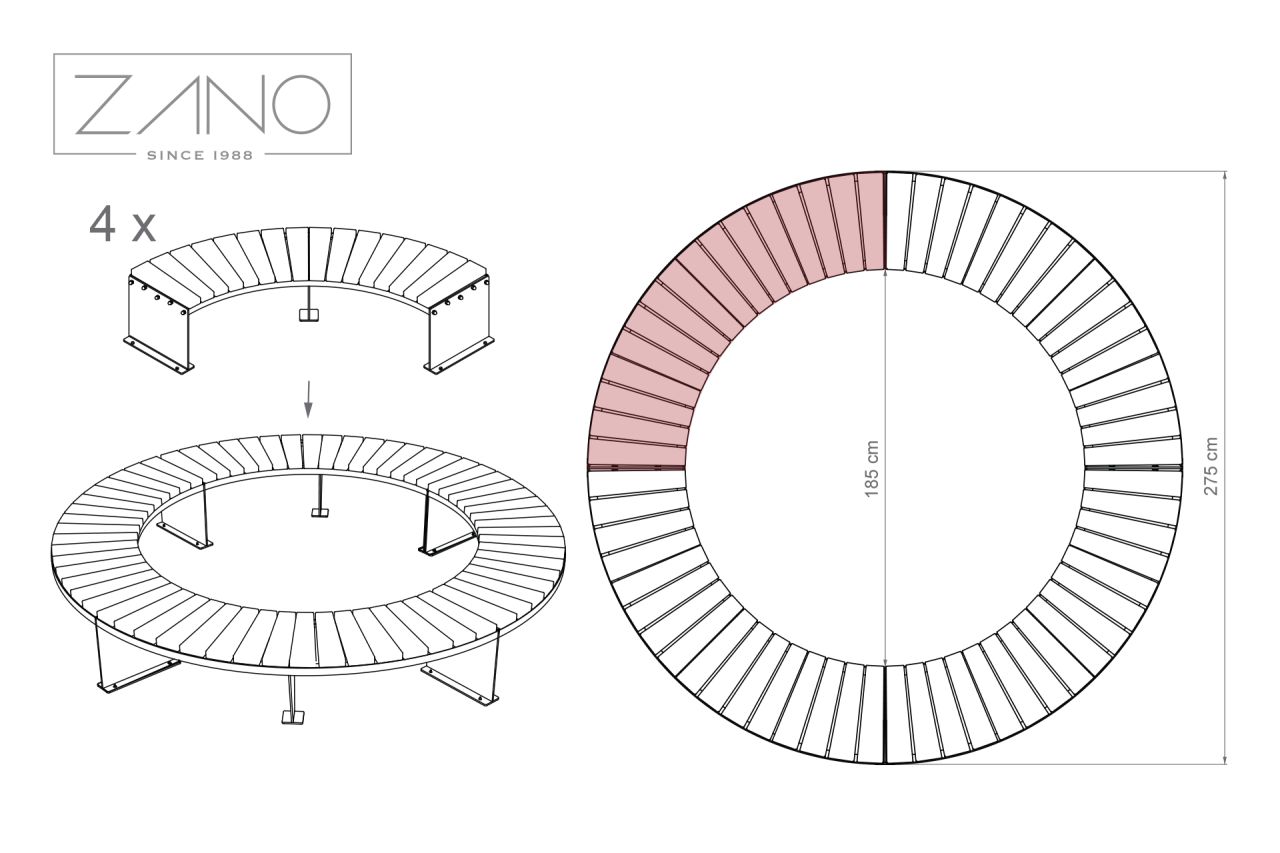
Flexibility is at the core of the Domino system, allowing for precise configuration to meet site-specific needs. The bench can be equipped with optional armrests in matching carbon or stainless steel, enhancing user comfort and accessibility. Furthermore, the design supports the integration of functional tables on the left, right, or both sides, transforming the seating unit into a versatile workstation or social hub within a public space. With a width of 79 1/4 inches and a depth of 56 inches, the unit is engineered for secure surface mounting, ensuring stability in any urban setting. This modular approach to street furniture allows designers to create expansive, interconnected seating arrangements that define the character of modern metropolitan infrastructure.